 California Nursing Home Abuse Lawyer Blog


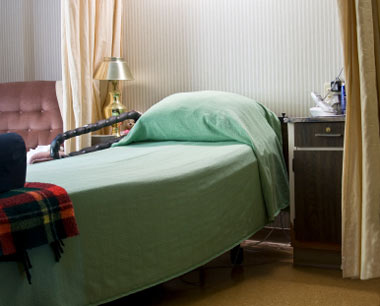
 If you live in a nursing home, do you have the same rights as a tenant who rents a home from a landlord? According to a recent report from NPR, numerous nursing home residents who live the facility for a temporary inpatient hospital visit return to the nursing home only to learn that they have been evicted. As the article makes clear, this pattern results each year in thousands of nursing home residents finding themselves without a place to live, and that often leads to less-than-ideal situations that can involve elder abuse. Currently, federal law protects nursing home residents from these kinds of evictions, but as the article underscores, “those rules are rarely enforced by the states.” As such, California nursing home residents have decided to file claims against the state of California.
Plaintiffs File Claims Over Nursing Home Evictions
According to the NPR report, when nursing home residents cannot return to their rooms at the nursing facility, they are left with very expensive hospital bills and often the inability to receive the specific kind of care provided in a nursing home. For instance, one plaintiff who was evicted from his nursing home is currently living in his hospital room at Sutter Medical Center in Sacramento. At the end of May 2015, his nursing home sent him to the hospital to receive treatment for pneumonia. However, once the pneumonia had been treated, the nursing home would not readmit him. As such, he has been living at the hospital for about 260 days now. The financial costs are very high: Medicaid is paying “about 2.5 times what his nursing home cost.”


 First, it’s important to have a clear idea about why hospices are bringing in relatively healthy older adults, and how these companies are profiting from non-terminal patients. How did this start to happen? In short, many hospice care centers have begun recruiting patients with aggressive marketing tactics, and many of those patients aren’t terminal. It’s in the financial interest of a hospice chain to “find patients well before death,” the Washington Post reported. And the reason is simple: “Medicare pays a hospice about $150 a day per patient for routine care, regardless of whether the company sends a nurse or any other worker out that day. That means healthier patients, who generally need less help and live longer, yield more profits.”
 When we think about transitioning an elderly loved one into a nursing home or an assisted-living facility, we expect that the facility will provide care and won’t engage in acts of nursing home abuse or neglect. However,
  It’s no secret that