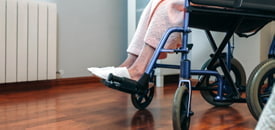
In California, approximately 200,000 claims of elder abuse are investigated every year by California social services. Because of proposed cuts to the California state budget, the ability to investigate claims of neglect or abuse could be reduced dramatically at a time when a greater portion of our population will be considered “elderly.”

The director of the Center of Excellence in Elder Abuse and Neglect at UC Irvine is watching closely whether 75 social worker positions will be cut in the upcoming state budget. Mary Twomey stated that such a reduction in the investigation work force could translate into 20,000 allegations of elder abuse or neglect that will go uninvestigated.

Dehydration and malnutrition remain two of the most serious and most overlooked forms of neglect in nursing homes and assisted living facilities. While these conditions may sound simple or even mild, the reality is far more dangerous. In elderly and dependent adults, dehydration and malnutrition can rapidly lead to organ failure, infection, falls, hospitalization, and death. For families in San Jose and the greater Bay Area who trust facilities to protect their loved ones, these outcomes are both devastating and preventable.

The human body depends on adequate fluids and nutrition to function. When an individual becomes dehydrated, the body begins to shut down essential processes. Common symptoms include an increased heart rate, decreased urination, dry mouth, confusion, dizziness, headaches, muscle cramps, extreme fatigue, and tingling in the hands or feet. In older adults, dehydration often presents differently than it does in younger people. Seniors may not feel thirsty, may be unable to communicate their needs, or may suffer cognitive impairment that prevents them from asking for water. This makes them uniquely vulnerable in the nursing home setting.

Malnutrition often goes hand in hand with dehydration. When residents are not receiving adequate calories, protein, or essential nutrients, their bodies lose the ability to heal, fight infection, or maintain muscle strength. Malnourished residents are at higher risk for pressure ulcers, falls, aspiration pneumonia, and immune system failure. In severe cases, malnutrition contributes directly to death.

Living in a nursing home or assisted living facility continues to get more and more expensive. For a fifth consecutive year, the average annual cost for a private room in a nursing facility rose to $76,460. The costs varied dramatically state by state.

The costs for living in an assisted living facility also rose dramatically. Nationally, the average annual costs of living in an assisted living or residential care facility averaged $36,000, up 25% since 2004.

Experts believe that the costs of living in a nursing or residential facility will continue to rise if a shortage of long-term care workers is not resolved. As baby-boomers approach retirement, most have not adequately addressed the prospect of needing long-term nursing care in old age. The average person spends approximately 2.5 years in a nursing home, at a cost of over $190,000. Just a year or two in a nursing home can wipe out a persons lifetime of savings.

Police have arrested an Escondido couple for cheating elderly victims throughout San Diego County in a financial scam that garnered $1.5 million. According to police, Janet and Ronald Reiswig cheated 30 people in the county, most of them senior citizens. The Reiswigs have been charged with 79 criminal counts, including elder abuse and fraud.

According to reports, the couple advertised a certificate of deposit investment product that they claimed would return between 7 and 7.5%. In meetings at their offices, the Reiswigs persuaded their mostly elderly clients to write checks that they promised would be invested. They weren’t. Instead the victims were sent phony CDs from the Reiswig’s company Global Reserve BT, and the couple then used the money for their personal use.

One East County woman, who is 76, said Friday she lost $63,000 to the alleged investment scam. It was nearly everything she had saved, after a lifetime of setting aside $25, maybe $50, a month. Now, she said, she is reduced to living on her Social Security check, which is less than $1,000 a month, to cover gas, food and rent. Money is so tight, she said, that she quit going to church most days of the week because gas is too expensive.

Since a significant part of my law practice involves cases of abused and neglected seniors in nursing home, I get asked frequently if I can recommend a good nursing home, or at least point out the bad ones. That is, of course, impossible because of the sheer number of nursing homes in California and the simple fact that every nursing facility, even ones with generally good reputations, have the potential for neglectful care.

When I am asked to recommend a home I typically refer people to the Nursing Home Guide. A web resource published by the California Advocates for Nursing Home Reform (CANHR) that provides detailed information about every licensed nursing home in the State of California, including information about prior complaints, citations, ownership, and the services provided. At the site you will also find a nursing home evaluation checklist, which provides a list of things to think about when looking for a nursing facility.

In addition, CANHR also now has a Residential Care Facility Guide which provides information about all licensed residential facilities in the state. The information there is limited, simply because public information about those facilities is not as available.

Last week President Bush signed into law the Safety of Seniors Act, a bill dedicated to preventing injuries of the elderly inside the home. According to the CDC, one in every three Americans over 65 will suffer a fall their home, and nearly a third of those will require medical treatment. In addition, 80% of elderly Americans who suffer a serious fall will suffer an additional fall within a year.

The bipartisan legislation seeks to develop educational strategies to increase the awareness of falls, support research to identify populations at risk for falling, and encourage projects that promote fall prevention. In California, health officials say they will make fall prevention a major priority starting this summer.

According to the CDC, almost $20 billion dollars is annually on medical costs related to elderly falls, most of which is paid for the Medicare and Medicaid. Because of the aging baby boomers, that figure is expected to rise to $43 billion by the year 2020.

A nursing home in Riverside County was hit with a $100,000 fine after the state deemed the death of an 87-year-old woman, who died of acute peritonitis in June 2006, was due to neglect. The home was also issued a AA citation from the California Department of Public Health, the most severe citation that can be given to a nursing home.

According to reports, The Springs at the Carlotta, a 59-bed nursing home in Palm Desert, the elderly resident had suffered from constipation for 24 days. The nursing facility allegedly knew the woman was suffering from constipation when she entered the facility only weeks before her death, but failed to monitor her condition or her treatment. When she began to vomit on June 22nd, she was sent to the hospital where tests confirmed that her colon had perforated due to the constipation. She developed severe peritonitis and died a week later.

It took more than a year for the Department of Public Health to complete its investigation, and the facility has appealed the fine.

Studies show that almost 50% of California nursing homes do not meet federal standards in preventing pressure ulcers. The problems are so widespread that the treatment of these ulcers – also called bed sores – will no longer be covered by Medicare if the sore was acquired after admission into a nursing home.

Family members should be aware that a bed sore can develop in only a few hours if an area of the skin is subjected to enough pressure that cuts off blood flow to that area. The skin will initially appear red and will be painful, slowing appearing to have a purple color. This is the best time prevent the sore from advancing to something more serious.

Nursing home and assisted living residents are at high risk for developing pressure ulcers, and those residents that are bedridden, wheelchair bound, or those will limited mobility must be examined frequently for the development of bedsores. A small bedsore can quickly become a large sore if treatment is not promptly provided.

People frequently ask for a recommendation to a “good” nursing or residential care facility. It’s a question that is difficult to answer, other than to state that the style of the building or the cost of the care is rarely a good indicator of quality of care. I have sued nursing and residential facilities that look like the Ritz Carleton, and I know that smaller, “mom and pop” facilities are capable of providing excellent care.

The first step is to find a facility that suits your needs. In may be its location in relation to family or friends, or one that offers a specific service such as dementia care. Once you have narrowed it down to a few, visit the facilities and speak with the administrator or the admissions director, and ask for a tour. While on the tour introduce yourself to other residents and ask them about the facility, the things they like and don’t like, and ask if you can speak with the privately. Frequently your first impression is the most accurate, so trust your instincts.

After the tour, return unannounced to the facilities you like best a few days after your tour, and visit at various times of the day so you can see the program it runs throughout the day. It’s important that these visits are unannounced so you can see the “real” facility and not the one portrayed on the official tour (hopefully they are the same).

Nursing homes around the country are now requiring prospective residents to agree to binding arbitration before admittance into a home. By signing an agreement to arbitrate, nursing home residents are forever giving up any rights to seek compensation in a court of law for harm caused by caregivers who abuse or neglect a resident, or for any other nursing home malpractice. Those claims would be handled by an arbitrator, usually a retired judge or an experienced (but often jaded) lawyer.

These arbitration clauses have profound implications, and should be avoided when possible. As this Wall Street Journal article points out, they are a part of a nursing-home-industry strategy to use arbitration agreements to reduce litigation costs, take cases away from juries, and lower compensation awards.

Apparently it has worked. According to a nursing home industry study, average costs to settle cases have begun decreasing as claims of poor treatment are increasing. Nursing homes have learned over the years that neglect or abuse of a vulnerable senior citizen is an emotionally charged thing. And when juries get emotionally charged, they tend to take action to right the wrong that has been committed – usually in the form of verdict commensurate with the wrongdoing – exactly as the U.S. Constitution intended.

Contact Information