Articles Posted in San Francisco Nursing Home Neglect

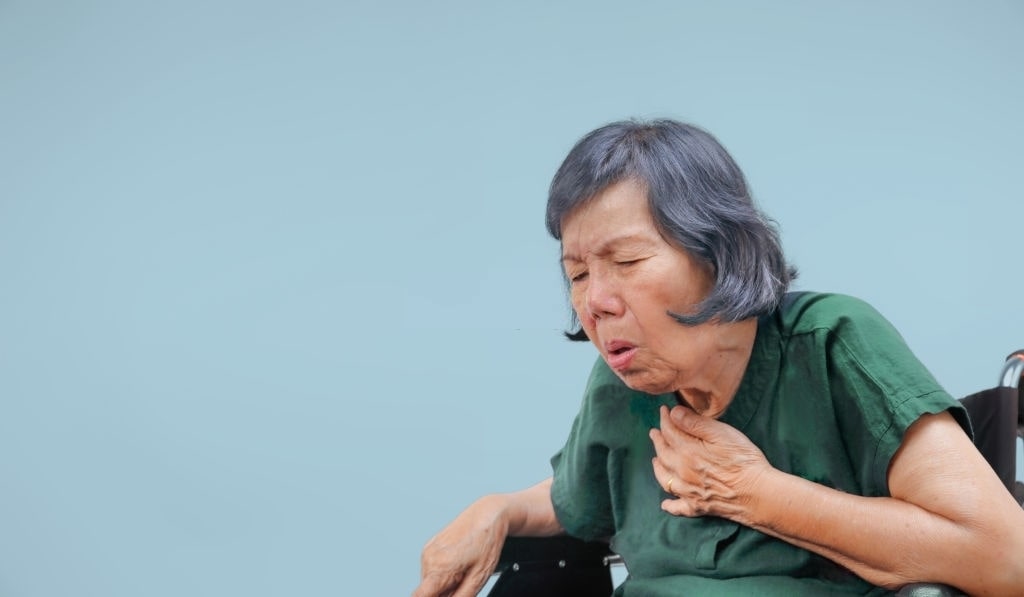
Choking-300x175When a loved one dies from choking in a nursing home or assisted living facility, families are often told it was “an accident.” In many cases, that is simply not true. Choking deaths are frequently preventable and are often the result of neglect, understaffing, or outright malpractice.

If you are here, you likely already suspect something went wrong. You are not alone, and your instincts matter.

Why Choking Deaths Happen in Nursing Homes

Whether you have an elderly loved one who resides in a Hayward nursing home or elsewhere in the Bay Area, you should be aware of the risks of malnutrition and nursing home negligence. Older adults are at greater risk of malnutrition when they have certain chronic conditions, and nursing homes have a duty to monitor residents to ensure that they are receiving proper care based on the chronic conditions they have and, if necessary, that they receive certain new types of care to prevent malnutrition. Given that malnutrition is linked to physical decline in addition to increased mortality and morbidity rates, it is essential to recognize signs and symptoms.

If you have an elderly loved one in a San Francisco Bay Area nursing home, what signs or symptoms of malnutrition should alert you to seek help? 

Signs of Malnutrition in Elderly Nursing Home Residents

nursing-home-abuse-california-300x105When you suspect something is wrong with your loved one’s care, you are often right. Families come to us angry, confused, and grieving because what they are seeing does not add up. The truth is that nursing home and assisted living neglect is far more common than most people realize, and it is often preventable.

At Nursing Home Law Group, we have spent more than 50 years holding facilities accountable across California, including San Francisco, Oakland, San Jose, Fremont, and the broader Bay Area. If you are searching for answers, a San Francisco Bay Area nursing home neglect lawyer can help uncover what really happened and protect your family.

Below are real examples of neglect and abuse cases that show how quickly things can go wrong when facilities fail to follow basic standards of care.

Whether you have an elderly loved one in a nursing home in Santa Clara or elsewhere in the San Francisco Bay Area, it is important for you to understand the risks associated with wandering. Wandering is a particular issue for elderly nursing home residents who have Alzheimer’s disease, another form of dementia, or other cognitive impairments. As such, if your elderly parent or loved one has been diagnosed with any disease or condition that involves cognitive impairment and they are currently living in a nursing home, you should learn more about wandering and how the facility can be liable when it happens. Our Santa Clara nursing home neglect attorneys can tell you more, and we can speak with you today about filing a claim to hold the facility accountable.

What is Wandering in a Nursing Home Context?

Nursing home residents with Alzheimer’s disease and other forms of dementia are at risk of “wandering.” The term can have a range of meanings, according to a study in the journal Practical Neurology, but it is one that is applied to “dementia-related locomotion activities.” What does this mean? 

daan-stevens-282446-1-copy-300x191If you have ever walked into a nursing home and felt that something was off, call lights ringing, residents waiting too long for help, staff moving at a sprint, you already understand the core issue. Safe nursing home care depends on having enough trained people on the floor, for enough hours, every day.

That is why minimum nursing hours are imperative. They are not a luxury, and they are not a paperwork exercise. They are the basic guardrails that prevent predictable harm.

Recently, a coalition of Attorneys General from across the country sent a formal letter to federal leadership urging strong, quantitative staffing requirements for skilled nursing facilities. The letter is signed by many state Attorneys General, including California Attorney General Rob Bonta, and leaders from New York, Massachusetts, Arizona, Colorado, and many others.

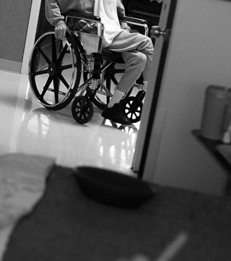
wheelchairDiscovering that an older loved one has been harmed in a nursing home or assisted living facility is devastating. Families across the San Francisco Bay Area often describe the same experience: something feels wrong, the explanation from the facility does not add up, and decline happens far too quickly to be dismissed as normal aging.

Choosing the right lawyer in this moment is not just a legal decision. It is about accountability, answers, and protecting vulnerable elders from further harm. In the Bay Area, where care facilities range from small assisted living homes to large corporate skilled nursing centers, finding a qualified elder abuse and neglect attorney requires careful evaluation.

Understanding elder abuse and neglect in Bay Area care facilities

Nursing home abuse or neglect can result in injuries at any San Francisco Bay Area nursing home, and prevention is essential. There are various ways that family members can help to prevent harm from nursing home abuse, including learning the signs and symptoms that can point to physical abuse, emotional abuse, sexual abuse, or passive neglect. Yet one way of properly addressing nursing home abuse or neglect often gets discounted: taking a report seriously that comes from the elderly person who has been impacted.

Often, seniors living in nursing homes are experiencing different forms of cognitive decline, and a diagnosis with forms of dementia, such as Alzheimer’s disease, may be the very reason that the elderly person is now living in the nursing home. Yet just because an older adult is experiencing cognitive impairment or has a form of dementia does not mean that their reports of abuse should be ignored. In fact, according to the National Council on Aging (NCOA), taking such reports seriously is one of the key ways of properly stopping nursing home abuse or neglect when it is happening and preventing it from recurring. 

Cognitive Impairment and Reports of Abuse or Neglect in a San Francisco Bay Area Nursing Home

Nursing home abuse and neglect can happen at any facility in San Jose and throughout California. There are ways to reduce the risk of moving an elderly loved one into a facility where abuse or neglect may be more likely, such as by reviewing facility ratings, researching safety records, and visiting the facility to look for common red flags associated with abuse, neglect, or negligence. Yet even when you take all the precautions, abuse or neglect injuries can still happen. We often think about adult children of elderly residents being the ones to spot the signs of abuse or neglect, but spouses can also be extremely important when it comes to identifying symptoms of elder abuse. 

If your spouse is now living in a nursing home and you are still living independently, what should you look for when you visit? The following are some of the most common signs that something is not right, and you should seek advice from a San Jose nursing home neglect lawyer as soon as possible.

Physical or Visible Injuries

If you have an elderly loved one living in a nursing home anywhere in the San Francisco Bay Area, it is essential to understand the very real risks of injury that residents face and the warning signs that something may be wrong. Families often assume that harm only occurs when abuse is intentional. In reality, many of the most serious injuries in Bay Area nursing homes result from neglect, understaffing, and systemic failures rather than deliberate misconduct. One of the clearest and most dangerous examples is the development of bed sores, also known as pressure ulcers.

Bed sores are not an inevitable part of aging. They are widely recognized as a preventable condition when proper care is provided. Yet they continue to occur in nursing homes throughout San Francisco, Oakland, San Jose, and surrounding Bay Area communities. When they do, nursing homes may be legally responsible, even if no one intended to cause harm.

What Are Bed Sores and Why Are They Dangerous?

Whether you have already made one or more visits to a loved one in the San Francisco Bay Area during the holiday season or you have plans for an upcoming visit, it is a particularly good time of the year to be on the lookout for any signs of elder abuse or neglect if your elderly loved one is living in a nursing home, a skilled nursing facility, an assisted-living facility, or any other type of residential care facility for the elderly (RCFE) in California. The holiday season often involves multiple visits from family and adult children gathering to see their parents, which means adult children and other family members can work together to identify potential abuse or neglect risks.

Making a Plan to Focus on Your Elderly Loved One’s Safety 

During the holiday season — or during any time of the year when family members gather to see a loved one in a nursing home or assisted-living facility — it is helpful to make a plan to focus on health and safety. Sporadic visits at other times of the year may be relatively quick, and those visits may involve only one person stopping by an elderly parent’s nursing home room or assisted-living facility residence. When multiple family members are together, especially adult children, they can work together to consider injury risks at the nursing home or other facility and to pay particular attention to warning signs of abuse or neglect.

Contact Information