Articles Posted in Nursing Home Falls

jorge-lopez-284336-copy-300x200At Nursing Home Law Group, our mission has always been to expose the systemic failures that endanger our most vulnerable citizens. We hear the heartbreaking stories daily, but a recent, groundbreaking five-month investigation by Hunterbrook Media has laid bare an institutional crisis on a staggering scale.

The target of the investigation is The Ensign Group ($ENSG), a $10 billion corporate empire and America’s largest operator of skilled nursing facilities (SNFs). With 334 locations across 17 states and over 38,000 beds, Ensign claims to set the “standard by which all others in our industry are measured.”

Tragically, the investigation reveals that Ensign’s standard is built on a dubious foundation of chronic understaffing, manipulated quality metrics, corporate “tunneling,” and fatal neglect.
Nursing homes and assisted-living facilities in Sonoma County and throughout the Bay Area should be places where all residents receive the level and degree of care that meets their needs, and where all potential injury hazards are eliminated or minimized through staff attention to residents. Yet much too frequently, older adults in nursing homes and assisted-living facilities suffer serious and life-threatening injuries in avoidable falls. While falls can have many different causes, an issue that is becoming more common in the conversation about nursing home safety and negligence is the level of lighting in private and community areas. What should you know about lighting levels and nursing home falls? Our Sonoma County nursing home negligence lawyers can tell you more. 

Falls in Nursing Homes Impacting Elderly Residents

Falls in general can be devastating to older adults, much more so than to younger adults who sustain fall-related injuries. According to the Centers for Disease Control and Prevention (CDC), millions of adults aged 65 and older fall every year, and those falls result in about three million emergency department visits. 

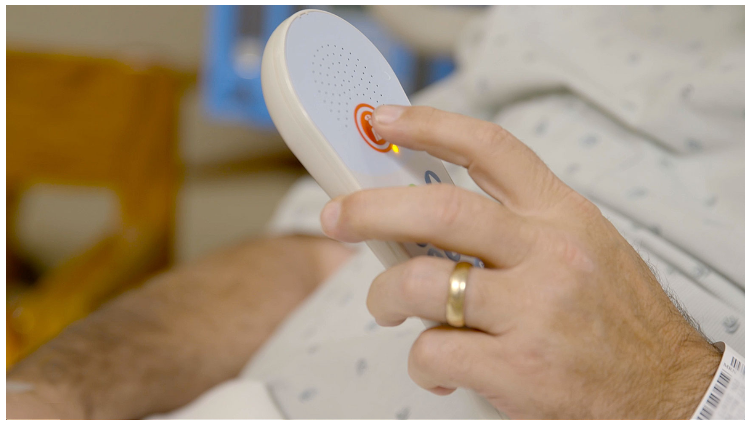
CallLight-300x170For a vulnerable resident in a skilled nursing facility, the bedside call button is not a luxury or a simple convenience—it is an absolute lifeline. When a resident presses that button, they are signaling a vulnerable need for assistance with basic human functions, acute pain management, or an immediate medical emergency. Yet, one of the most pervasive complaints from families throughout California involves unanswered call lights.

When minutes feel like hours to a resident in distress, delayed response times are rarely just a matter of poor customer service. Instead, they are frequently the direct manifestation of systemic nursing home staffing negligence. When facilities chronically understaff their shifts to maximize corporate profits, residents pay the price in safety, dignity, and all too often, their lives.

The Devastating Dangers of Delayed Responses

IMG_29490008-300x227When a loved one is injured or declines unexpectedly in a nursing home or assisted living facility, families in Riverside County often feel caught off guard. Many facilities are located far from hospitals, understaffed, or operated by large corporate chains that prioritize occupancy over care. Knowing how to find a qualified nursing home neglect lawyer in Riverside County can make the difference between unanswered questions and real accountability.

Why nursing home neglect cases in Riverside County require careful legal selection

Riverside County has one of the fastest growing senior populations in Southern California. With that growth has come a rapid expansion of skilled nursing facilities and assisted living communities, many of which operate with thin staffing margins. Neglect cases frequently involve preventable falls, pressure ulcers, dehydration, medication mismanagement, and delayed responses to medical emergencies.

IMG_29490008-300x227Across the country, state leaders are sounding the alarm about the growing influence of private equity in nursing homes and long term care. According to the Private Equity Stakeholder Project’s 2025 legislative tracker, this year marks a turning point in states’ efforts to scale back private equity’s footprint in the healthcare sector. From California to Massachusetts, lawmakers are beginning to recognize what families and advocates have been experiencing for years: when private equity buys nursing homes, patient care often suffers.

How Many Nursing Homes Are Owned by Private Equity

Researchers estimate that private equity firms now own roughly eleven percent of all nursing homes in the United States, representing more than one thousand five hundred facilities nationwide. Some studies place the number even higher when including complex ownership structures, management companies and affiliated real estate trusts used to mask true ownership.

Older adults in Solano County and throughout California are not only at greater risk of falling than younger adults, but they are also more likely to sustain serious injuries when they do fall. According to a recent report in The New York Times, falls are nearly always preventable, yet they continue to harm seniors in assisted-living facilities and nursing homes. Sometimes falls occur because a facility has an inadequate number of staff, such that residents do not receive the help and assistance they need with mobility tasks. In other circumstances, a facility might have certain hazards on the premises that result in a fall. At the same time, nursing homes and assisted-living facilities may not prioritize fall prevention, and thus they may not be employing many of the “small changes and good habits” that the report suggests can make a significant difference in reducing falls among the elderly.

What should you know about falls and fall risks in California nursing homes? Our Riverside County nursing home neglect attorneys can tell you more.

Why is Falling So Common Among Older Adults?

Falls can result in severe injuries for people of any age in Orange County, but they are particularly dangerous for older adults who may live in nursing homes or assisted living facilities in Southern California. Indeed, according to the Centers for Disease Control and Prevention (CDC), about 20 percent of all falls among the elderly result in a debilitating injury such as a traumatic brain injury (TBI) or a broken bone, and approximately three million older adults need to be treated in emergency departments every year for injuries they have sustained from falls. Of those seniors, about 800,000 need to be hospitalized because of the severity of the injury, which is usually a TBI or a hip fracture. In total, around 300,000 elderly people need to be hospitalized due to hip fractures every year.

When falls happen in nursing homes or assisted living facilities and residents sustain hip fractures, TBIs, or other serious injuries, the nursing home may be liable. Our Orange County nursing home negligence lawyers can explain.

Preventing Nursing Home Falls

Older adults in San Bernardino County nursing homes are at greater risk of severe injuries from falls than younger adults. According to the U.S. Centers for Disease Control and Prevention (CDC), falls among adults aged 65 and older result in about 34,000 deaths yearly and three million emergency department visits. In terms of the economic costs of senior falls, the CDC reports that falls among older adults cost approximately $50 billion annually in medical care. There are many different reasons that older adults are more likely to fall and that those falls are more likely to result in severe injuries. Older adults are more likely to be on medications that make balancing difficult. Physical conditions can make it more challenging to get out of bed or shower without falling. In addition, older adults — and women in particular — may have bone density issues that can make a severe fracture more likely when a fall does occur.

When falls happen at nursing homes, is the nursing home liable? To determine liability, it will be important to have an experienced San Bernardino nursing home negligence lawyer assess your case. In the meantime, the following are some questions you can ask yourself to consider whether the nursing home could be responsible for damages resulting from a fall.

Did the Fall Result From a Hazard on the Nursing Home Premises?

Fall prevention in San Bernardino County nursing homes is critical to avoid serious injuries among elderly residents. Nursing homes and assisted-living facilities have a duty to ensure that patients have the care they need to avoid a fall and that the premises are also safe for use. When a fall does happen at a San Bernardino nursing home, the facility could be liable. 

Learning More About Falls in Nursing Homes

To understand prevention methods for falls in nursing homes, it is important to understand how often falls occur and why they happen in nursing homes. The following facts and figures come from the U.S. Centers for Disease Control and Prevention (CDC):

Is a senior in a nursing home at greater risk of suffering a fall-related injury if that senior is more socially isolated as a result of the pandemic? Nursing home staff members are supposed to provide regular and frequent care to nursing home residents, and to ensure that older adults in Los Angeles County nursing facilities are not left unattended for a long enough period of time that a serious or even fatal fall-related accident could happen. Yet according to a recent article in The New York Times, not only can social isolation increase a senior’s risk of suffering a fall injury when that senior is living alone, but social isolation can also put a senior at increased risk of a fall-related injury in assisted-living facilities and nursing homes. 

In short, having fewer people around—friends and family members—can make it more likely that an elderly adult will suffer a fall. Given that the COVID-19 pandemic has resulted in significantly more social isolation for older adults, the pandemic ultimately could lead to more serious and fatal fall injuries among seniors.

New Study Shows Socially Isolated Seniors are More Likely to Fall

Contact Information