IMG_29490008-300x227When a loved one is injured or declines unexpectedly in a nursing home or assisted living facility, families in Riverside County often feel caught off guard. Many facilities are located far from hospitals, understaffed, or operated by large corporate chains that prioritize occupancy over care. Knowing how to find a qualified nursing home neglect lawyer in Riverside County can make the difference between unanswered questions and real accountability.

Why nursing home neglect cases in Riverside County require careful legal selection

Riverside County has one of the fastest growing senior populations in Southern California. With that growth has come a rapid expansion of skilled nursing facilities and assisted living communities, many of which operate with thin staffing margins. Neglect cases frequently involve preventable falls, pressure ulcers, dehydration, medication mismanagement, and delayed responses to medical emergencies.

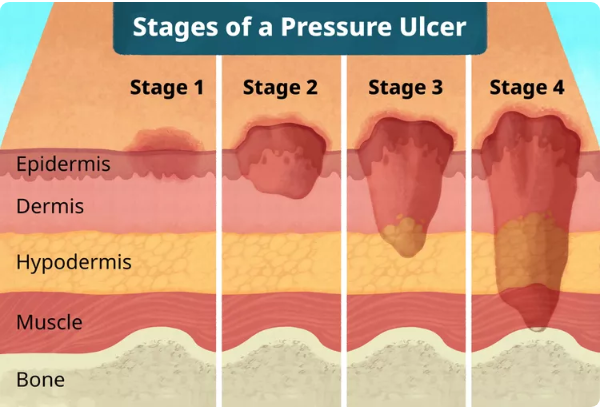
Do you have an elderly parent or other family member who currently resides in a nursing home in Northern California? Whether your loved one is living in Marin, Sonoma, or San Francisco County, it is important to be aware of bed sore risks and to take immediate action if you learn that your loved one has developed bed sores in the facility where they are supposed to be receiving a high quality of care. To be clear, bed sores — also known as pressure ulcers — can develop very quickly, and Stage 1 bed sores may not always be avoidable depending on an older adult’s health circumstances. Stage 1 bed sores can be effectively treated, and these have not yet developed into an open wound. However, when early bed sores are not quickly identified and treated, they can result in severe infections and even death.

A recent study in the Geriatric Medicine Journal addresses the link between bed sores and mortality, reporting that “older adults with pressure ulcers face a significantly higher risk of mortality compared to those without these injuries.”

Details of the New Elderly Bed Sore Study

wheelchairDiscovering that an older loved one has been harmed in a nursing home or assisted living facility is devastating. Families across the San Francisco Bay Area often describe the same experience: something feels wrong, the explanation from the facility does not add up, and decline happens far too quickly to be dismissed as normal aging.

Choosing the right lawyer in this moment is not just a legal decision. It is about accountability, answers, and protecting vulnerable elders from further harm. In the Bay Area, where care facilities range from small assisted living homes to large corporate skilled nursing centers, finding a qualified elder abuse and neglect attorney requires careful evaluation.

Understanding elder abuse and neglect in Bay Area care facilities

rawpixel-487102-unsplash-copy-300x207When a parent or grandparent is harmed in a nursing home or assisted living facility, most families do not feel ready to “hire a lawyer.” They feel shocked, guilty, and unsure where to begin. You might be trying to make sense of a fall that never should have happened, sudden weight loss and dehydration, a worsening pressure sore, medication errors, or a rapid decline that staff keeps brushing off as “just aging.”

The good news is that you can take practical steps to find a qualified San Diego County elder abuse lawyer who understands nursing home abuse and neglect cases and who has the resources to prove what happened.

Just as importantly, California elder abuse and neglect law can apply not only to skilled nursing facilities, but also to assisted living settings such as Residential Care Facilities for the Elderly. If your loved one was harmed in assisted living, the same careful attorney selection process matters.

Nursing home abuse or neglect can result in injuries at any San Francisco Bay Area nursing home, and prevention is essential. There are various ways that family members can help to prevent harm from nursing home abuse, including learning the signs and symptoms that can point to physical abuse, emotional abuse, sexual abuse, or passive neglect. Yet one way of properly addressing nursing home abuse or neglect often gets discounted: taking a report seriously that comes from the elderly person who has been impacted.

Often, seniors living in nursing homes are experiencing different forms of cognitive decline, and a diagnosis with forms of dementia, such as Alzheimer’s disease, may be the very reason that the elderly person is now living in the nursing home. Yet just because an older adult is experiencing cognitive impairment or has a form of dementia does not mean that their reports of abuse should be ignored. In fact, according to the National Council on Aging (NCOA), taking such reports seriously is one of the key ways of properly stopping nursing home abuse or neglect when it is happening and preventing it from recurring. 

Cognitive Impairment and Reports of Abuse or Neglect in a San Francisco Bay Area Nursing Home

For decades, families transitioning a loved one into a nursing home have relied on one fundamental assumption: someone qualified is always watching. We aren’t just talking about anyone—we are talking about Registered Nurses (RNs). These are the professionals trained to catch the subtle shift in a resident’s breathing, the early signs of sepsis, or the symptoms of a stroke before a situation turns fatal.

That assumption is about to disappear.

The Rule That Was Meant to Protect

Do you have an elderly loved one in a Riverside County nursing home or elsewhere in Southern California? If so, it is critical to be able to recognize the signs of elder abuse and neglect in general, but especially psychological abuse. According to a recent study published in the journal Frontiers in Public Health, psychological abuse is routinely cited as the most common form of nursing home abuse, yet it is among the types of abuse that are most difficult to spot and that tends to be studied the least. Indeed, as the authors of the study write, “although psychological abuse has been found to be the most frequent form of abuse, specific knowledge regarding this form of violence is still lacking.”

How can you learn more about psychological abuse, and what specific signs should you be looking for when you visit or speak with an elderly loved one in a nursing home? Our Riverside County nursing home abuse attorneys can say more. 

Psychological Abuse is Common, But Iit Can Be Difficult to Define and Identify

California’s nursing homes are failing the people who need them most. Every day, elderly and dependent adult residents are being neglected in facilities across the state. Understaffing, inadequate training, and profit-driven approaches to care create ripe conditions for neglect. And if you think these problems are going away anytime soon, you’re kidding yourself. Between 2023 and 2050, California’s population aged 65 and older is expected to grow from 16.2% to about 24.9% of the total population. (Public Policy Institute of California, California’s Population (2023). That’s a 53.7% increase, and it means a growing number of people will be relying on these facilities to care for every aspect of their daily life. More nursing home residents means more facilities, and more chances for companies to profit off vulnerable people in a growing market.

As the prevalence of neglect grows, so will the demand for accountability. More lawyers will find themselves fielding urgent calls from potential clients – often the surviving family members of someone who died after being neglected in a facility – and throwing their hat into the ring to take on nursing homes. But navigating these cases isn’t simple. California law applies different frameworks depending on the facts. MICRA governs traditional negligence claims against skilled nursing facilities, capping non-economic damages, limiting attorney’s fees, and tightening the timeline to file. The Elder Abuse and Dependent Adult Civil Protection Act (Elder Abuse Act) provides another path when there’s clear and convincing evidence of reckless neglect. While both are important pathways to accountability, many lawyers overlook a third cause of action that offers both strategic advantages in litigation and built-in financial incentives – Health and Safety Code section 1430, subdivision (b).

Section 1430(b) provides a cause of action to hold skilled nursing and intermediate care facilities liable for violations of residents’ rights. Importantly, the statute isn’t limited to a specific list of residents’ rights – it applies broadly to any right granted under state or federal law, including those found in Title 22 of the California Code of Regulations and the Code of Federal Regulations. Protected rights include the right to be treated with dignity, to be free from abuse, to receive adequate attention from staff, and to get appropriate medical care. When those rights – or any other rights protected by law – are violated, section 1430(b) can provide a more targeted, flexible, and accessible remedy than traditional negligence claims.

Will you be visiting an elderly loved one in an Orange County nursing home this holiday season? If so, it is important to keep an eye out for any potential signs of nursing home abuse or neglect. Thanksgiving and the weeks leading up to Christmas and the New Year are often the time of year when elderly nursing home residents receive the most visitors. It may also be the only time of the year that you get to visit with your elderly parent or grandparent, so it is essential to do your best to ensure that your loved one is happy, healthy, and safe in their current environment.

What should you be thinking about as you plan for your visit with your elderly loved one who is currently residing in a Southern California nursing home? Consider the following from our nursing home neglect lawyers in Orange County.

Discuss Your Visit with Friends and Family Members Ahead of Time

Bedsores-300x188When a loved one develops a large, painful bed sore in a nursing home, it is almost always a sign that something went terribly wrong. Families often feel a mix of anger, guilt, and confusion — and they want to know one thing: Can I sue a nursing home in California for allowing this to happen? The answer is yes. Under California law, bed sores are a preventable medical condition, and when they occur, they often indicate neglect.

Below is a clear, compassionate explanation of your rights and what to do next.

What a Bed Sore Really Means in a Nursing Home

Contact Information