 California Nursing Home Abuse Lawyer Blog


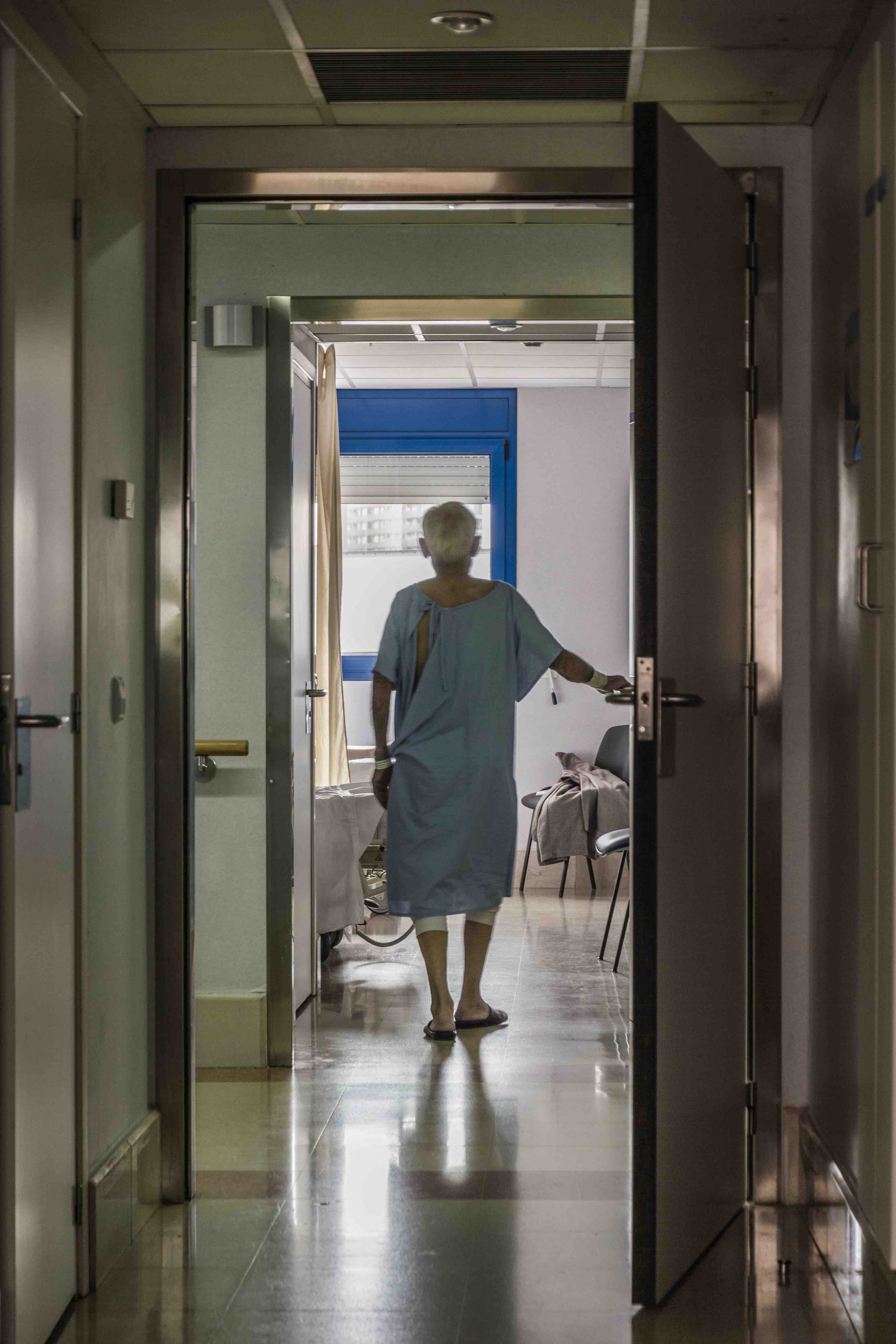 There is a growing problem in this country that is not getting nearly enough attention, but we are seeing the consequences of it every day in our cases. The demand for elder care is rising rapidly, while the system responsible for providing that care is quietly breaking down.
At the center of the issue is a simple imbalance. More seniors need help than ever before, but there are fewer caregivers available to provide it. And the gap is widening.
Demand Is Surging, But Access Is Shrinking
As the population ages, more families are turning to in home care as an alternative to nursing homes and assisted living facilities. Most people want to remain in their homes for as long as possible. It is more comfortable, more dignified, and often leads to better outcomes.
But for many families, that option is becoming increasingly difficult to secure.
Costs for in home care continue to rise at a pace that far exceeds inflation. At the same time, availability is shrinking. Entire regions are losing home health agencies, and many patients who are referred for care never actually receive it.
This is not a future problem. It is happening now.
The Workforce Is Underpaid and Overstretched
Caregiving is physically demanding, emotionally taxing, and requires real skill. Yet the people doing this work are often paid at or near minimum wage.
That reality has consequences.
Workers leave for higher paying, less demanding jobs. Agencies struggle to hire and retain staff. Existing caregivers are asked to take on more patients, more responsibilities, and longer hours.
When that happens, the quality of care inevitably suffers.
From a legal perspective, this is where risk begins to escalate. Understaffing is one of the most consistent underlying factors in elder neglect cases. When there are not enough trained caregivers available, basic needs go unmet.
Policy Decisions Are Making the Problem Worse
Several larger forces are compounding the issue.
First, funding pressures. Government programs play a major role in supporting elder care services, particularly for low income individuals. When funding is reduced or fails to keep pace with costs, providers are forced to cut services, reduce staff, or shut down altogether.
Second, immigration policy. A significant portion of the caregiving workforce is made up of immigrants. Restrictions on work authorization and increased enforcement measures are shrinking that labor pool. When those workers disappear, there are not enough domestic replacements to fill the gap.
These are not abstract policy debates. They have real world consequences for access to care.
Families Are Being Forced Into Impossible Decisions
When professional care is unavailable or unaffordable, the burden shifts to families.
Millions of people are now acting as unpaid caregivers for aging parents and relatives. While many do so out of love and necessity, it often comes at a cost to their own financial stability, health, and well being.
In other situations, families are forced to move loved ones into assisted living facilities earlier than planned, simply because they cannot find reliable help at home. These facilities are expensive and can quickly deplete a lifetime of savings.
How This Leads to Neglect
From the outside, elder neglect cases often look like isolated failures. A missed medication. A fall that should have been prevented. A bedsore that went untreated.
But when you look closer, many of these cases share the same underlying cause. There were not enough qualified people available to provide proper care.
Caregivers are rushed. Facilities are understaffed. Agencies are stretched too thin. Oversight becomes reactive instead of proactive.
The result is a system where harm is not only possible, but increasingly predictable.
And when neglect becomes predictable, it becomes preventable.
The Legal Implications
For families, it is important to understand that systemic issues do not excuse negligent care.
Facilities, agencies, and providers still have a legal duty to ensure that residents and patients receive appropriate care. That includes proper staffing, adequate supervision, timely medical attention, and basic dignity.
When they fail to meet those obligations, they can and should be held accountable.
We are already seeing an increase in cases tied directly to understaffing, delayed responses, and failures in care coordination. These cases are not just about individual mistakes. They are about systemic breakdowns that providers chose not to address.
Where This Is Headed
Unless meaningful changes are made, this problem is only going to get worse.
The demand for elder care will continue to grow. Without improvements in compensation, workforce development, and funding, the supply of caregivers will not keep up.
That means longer wait times, higher costs, and greater risk for vulnerable seniors.
What Families Should Take Away
If you have a loved one who may need care in the coming years, planning ahead is critical.
Understand your options early. Vet providers carefully. Pay attention to staffing levels and responsiveness. And trust your instincts if something feels off.
Most importantly, know that neglect is not something you have to accept. Even in a strained system, there are legal protections in place to ensure that seniors receive the care they deserve.



