 California Nursing Home Abuse Lawyer Blog


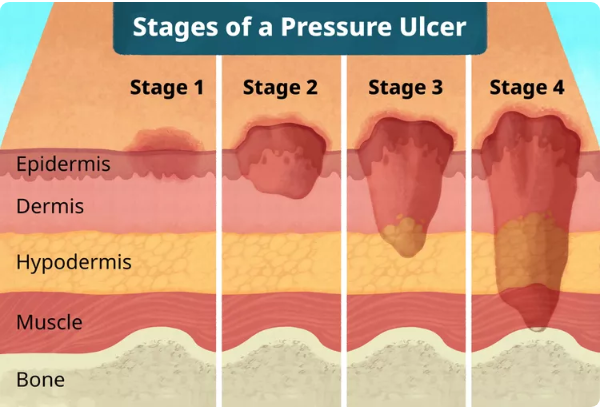 Pressure ulcers, also known as bed sores or pressure injuries, are among the most common and devastating injuries seen in nursing homes. They can cause severe pain, infection, hospitalization, amputation, and even death. While some pressure ulcers are unavoidable despite appropriate care, many develop because a nursing home failed to provide the basic preventive measures that vulnerable residents require.
At Nursing Home Law Group, we represent residents and families throughout California in cases involving serious pressure ulcers caused by neglect.
What Are Pressure Ulcers?
A pressure ulcer is an injury to the skin and underlying tissue caused by prolonged pressure, usually over a bony area of the body. Common locations include the tailbone (sacrum), heels, hips, ankles, elbows, and the back of the head.
Pressure ulcers develop when pressure on the skin exceeds the body’s ability to deliver blood and oxygen to the affected tissue. When that pressure is not relieved, the tissue begins to die. Medical research has shown that the damage often starts deep below the skin surface, meaning a wound may be far more severe than it initially appears.
Pressure ulcers affect millions of Americans every year and are associated with tens of thousands of deaths. They are particularly common among elderly individuals who are bedridden, wheelchair-bound, malnourished, incontinent, or suffering from serious illnesses.
Why Do Pressure Ulcers Develop?
Pressure ulcers are rarely caused by a single factor. Instead, they typically result from a combination of medical vulnerabilities and inadequate care.
Risk factors include:
- Immobility or paralysis
- Advanced age
- Malnutrition and dehydration
- Diabetes
- Incontinence
- Poor circulation
- Sensory impairment
- Serious medical conditions that limit movement
In nursing homes, pressure ulcers frequently develop when staff fail to reposition residents, manage moisture, provide adequate nutrition, or use appropriate pressure-relieving equipment.
Additional factors such as friction and shear can significantly worsen tissue damage. For example, repeatedly dragging a resident across bed sheets rather than lifting them properly can cause injury to the skin and underlying tissues.
The Stages of Pressure Ulcers
Pressure ulcers are classified according to their severity.
Stage 1: Persistent redness or discoloration that does not fade when pressure is removed.
Stage 2: Partial-thickness skin loss, often appearing as an open sore or blister.
Stage 3: Full-thickness tissue loss extending into the fatty tissue beneath the skin.
Stage 4: Extensive tissue destruction involving muscle, tendon, or bone.
Some wounds are considered unstageable because dead tissue covers the wound and prevents an accurate assessment of its depth.
Unfortunately, many residents are not diagnosed until the wound has already progressed to a severe stage.
Prevention Is the Key
Medical experts consistently emphasize that prevention is far easier and more effective than treatment. Once a serious pressure ulcer develops, recurrence rates are extremely high, even after surgical treatment.
Proper prevention requires a coordinated and ongoing effort that includes:
- Frequent repositioning of residents
- Careful monitoring of the skin
- Pressure-relieving mattresses and cushions
- Moisture and incontinence management
- Adequate hydration
- Proper nutrition and protein intake
- Accurate risk assessments and care planning
In fact, many wound care specialists summarize prevention with a simple phrase: “Nutrition, nutrition, nutrition.” Malnourished residents are far more likely to develop wounds and far less likely to heal them.
How Serious Can a Pressure Ulcer Become?
Advanced pressure ulcers are not simply skin wounds. They can become life-threatening medical emergencies.
Complications may include:
- Severe pain
- Chronic infection
- Osteomyelitis (bone infection)
- Sepsis
- Repeated hospitalizations
- Surgical reconstruction
- Permanent disability
- Death
Many Stage 3 and Stage 4 pressure ulcers require extensive debridement, where dead tissue is surgically removed. In the most severe cases, plastic surgeons may perform complex flap reconstruction procedures to cover exposed bone and restore healthy tissue.
Even after successful surgery, strict pressure relief and ongoing vigilance are required because recurrence rates remain extremely high.
When Does a Pressure Ulcer Suggest Nursing Home Neglect?
Not every pressure ulcer is evidence of negligence. Some residents are extraordinarily fragile and may develop wounds despite appropriate care.
However, pressure ulcers often raise serious concerns when records show:
- Missed repositioning schedules
- Inadequate staffing
- Poor nutrition management
- Failure to assess skin breakdown
- Delayed physician notification
- Failure to obtain wound care consultations
- Lack of pressure-relieving equipment
- Poor documentation
- Worsening wounds without intervention
In many of the cases we handle, residents entered a facility with intact skin only to develop devastating wounds that progressed because basic preventive measures were not followed.
Contact Nursing Home Law Group
If your loved one developed a serious bed sore or pressure ulcer in a nursing home, assisted living facility, or rehabilitation center, you may have questions about whether the injury could have been prevented.
The attorneys at Nursing Home Law Group have represented families throughout California in cases involving bed sores, wound infections, malnutrition, dehydration, and other forms of nursing home neglect. We understand the medical issues involved in pressure ulcer cases and work with experienced wound care and nursing experts to evaluate potential claims.
If you would like to discuss a possible case, contact Nursing Home Law Group for a free consultation.



