Articles Posted in Southern California Elder Abuse

nursing_home-300x199When we place a loved one in a nursing home or assisted living facility, we are placing enormous trust in that facility’s staff. We trust them to provide not just basic care, but dignity, safety, and attention.

So when something feels wrong—unexplained injuries, sudden decline, dehydration, infections, or emotional withdrawal—it is natural to feel alarmed. Many families ask the same question:

Is this negligence or neglect?

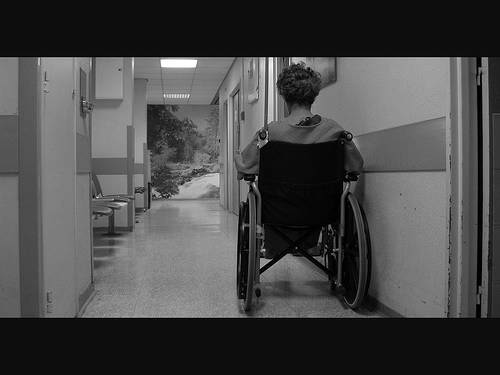
wheelchair-sillohouteeWhen you suspect that something is wrong with your loved one’s care, you are often right. Families usually notice subtle changes first: weight loss, unexplained bruising, fear, confusion, or a decline that doesn’t make sense. What you are feeling is not overreaction. It is instinct.

As a San Diego nursing home neglect lawyer, we have spent more than 20 years investigating these exact situations. What follows are real stories of neglect and abuse. They are difficult to read, but they are important. Because they show how preventable these tragedies truly are.

Real Case: Left Alone When He Could Not Protect Himself

daan-stevens-282446-1-copy-300x191If you have ever walked into a nursing home and felt that something was off, call lights ringing, residents waiting too long for help, staff moving at a sprint, you already understand the core issue. Safe nursing home care depends on having enough trained people on the floor, for enough hours, every day.

That is why minimum nursing hours are imperative. They are not a luxury, and they are not a paperwork exercise. They are the basic guardrails that prevent predictable harm.

Recently, a coalition of Attorneys General from across the country sent a formal letter to federal leadership urging strong, quantitative staffing requirements for skilled nursing facilities. The letter is signed by many state Attorneys General, including California Attorney General Rob Bonta, and leaders from New York, Massachusetts, Arizona, Colorado, and many others.

Nursing-Home-AbuseNursing Home Neglect Lawyers Representing Residents and Families in Orange County, California

Nursing homes in Orange County have a duty to abide by residents’ rights under state and federal law, and to ensure that residents receive adequate medical care based on their individual needs. If a nursing home in Orange County or elsewhere in California fails to provide proper medical care to a resident, from failing to provide any medical care to providing the wrong medical care or providing it in an untimely manner, the facility can be legally accountable for breaching its duty of care. Failure to provide proper medical care in an Orange County nursing home is not usually intentional, but rather is a result of understaffing or burned-out staff members who do not recognize signs of medical needs or forget to attend to specific residents at particular times.

It does not matter if a failure to provide proper medical care is intentional or accidental. Our Orange County nursing home neglect lawyer can help you to file a claim and to hold the facility accountable.

Falls are a serious problem for older adults in nursing homes and assisted living facilities in Sonoma County and throughout the Bay Area. According to the Centers for Disease Control and Prevention (CDC), falls result in serious mobility limitations for about 10 percent of all older adults every year. Falls are responsible for more than 80 percent of hip fracture deaths among the elderly, and they are the reason for nearly 90 percent of emergency department visits for older adults. Falls are also the leading cause of traumatic brain injuries among older nursing home residents.

If you have an elderly loved one in a Bay Area nursing home or assisted living facility, what fall hazards should you be looking for when you visit the facility? Our Sonoma County nursing home neglect attorneys can explain in more detail below.

Physical Conditions That Can Result in Falls

wheelchair-back-300x225Los Angeles County has more nursing homes and assisted living facilities than almost anywhere else in California. From large skilled nursing facilities in the San Fernando Valley to assisted living communities in Long Beach, Pasadena, and the South Bay, the scale of elder care in Los Angeles is massive. Unfortunately, so is the risk of neglect.

When an older loved one suffers a preventable fall, develops pressure ulcers, becomes dehydrated, or rapidly declines while in a facility, families are often told that it is simply part of aging. In many cases, that explanation is wrong. Knowing how to find a qualified nursing home neglect lawyer in Los Angeles County is critical to uncovering the truth and protecting vulnerable residents.

Why Los Angeles County nursing home neglect cases are different

If you suspect that your parent has been abused or neglected in a North County San Diego nursing home or assisted living facility, taking swift and decisive action is crucial. The consequences of elder neglect and abuse can be devastating, not only compromising the health and safety of your loved one but also causing irreparable harm to their emotional well-being.  Nursing Home Law Group is here to support you and your family every step of the way, with over 20 years of experience representing victims of elder neglect and abuse. Our team is deeply committed to seeking justice for vulnerable seniors and ensuring that negligent facilities are held accountable for their actions.

Neglect and abuse in nursing homes can take many forms. Common types of neglect include failing to provide basic medical care, improper wound care for bed sores, malnutrition, dehydration, inadequate hygiene, and medication errors. In some cases, vulnerable seniors are left in soiled clothing for hours, experience prolonged isolation, or suffer from dangerous falls because of inadequate supervision or poor safety measures. These conditions are not merely oversights; they are violations of the duty of care that nursing homes owe to their residents. Elder abuse may also present as physical, emotional, or even financial harm, where residents are subjected to physical assaults, emotional torment, or exploitation of their finances by staff members. Any signs of bruising, rapid weight loss, behavioral changes, or unexplained injuries warrant immediate investigation and action.

The consequences of neglect and abuse in nursing homes can be severe, leading to long-term physical complications, psychological trauma, or even premature death. For families already grappling with the emotional burden of entrusting a loved one to the care of others, discovering mistreatment can be heart-wrenching. This is why holding nursing homes accountable is not just about seeking compensation for the harm caused; it’s also about promoting systemic change in the industry. When facilities are allowed to operate negligently without repercussions, more families stand to suffer the same fate. Pursuing justice sends a strong message that negligent behavior will not be tolerated, and it may prevent future incidents from occurring.

The nursing home industry, often perceived as a sector struggling with financial viability due to reported accounting losses, presents a conundrum when analyzed through the lens of recent financial activities and market trends. Despite these reported losses, the industry has seen a surge in private equity investments and high transaction prices, suggesting a disconnect between reported financials and the actual economic value of nursing home facilities.

One explanation for this paradox is the concept of profit tunneling, where businesses who own nursing homes engage in financial maneuvers to misreport or hide true profits, essentially obscuring the true financial health of the enterprise. This tactic not only complicates the industry’s financial landscape but also raises questions about the quality of care provided in these facilities. With staffing levels directly tied to the quality of care, the financial engineering within the industry can have real-world impacts on patient care and facility operations.

Furthermore, the practice of engaging in related party transactions—where businesses make deals within a network of interconnected entities—complicates the financial transparency of nursing homes. Such transactions can mask the true profitability of these facilities, affecting everything from investment decisions to policy regulations concerning the industry.

Nursing home abuse and neglect in Riverside County can take many different forms, and it can be difficult for family members visiting elderly loved ones to recognize signs and symptoms of some types of abuse. In particular, passive neglect injuries—in which the nursing home negligence led to the harm—may be attributed to circumstances that do not immediately stand out as neglect. As such, it is important to know when a facility may be responsible for a senior’s injuries.

For example, if an elderly resident in a nursing home suffers a bone fracture and must receive medical attention at a hospital, the nursing home might inform the family that the elderly resident slipped and fell on her way to the bathroom. Yet the fall may have been prevented if adequate staff were employed by the facility to assist that resident to the bathroom. Or, for example, a family member might learn that bed sores resulted from the resident being temporarily confined to bed because of an unrelated illness. Yet those bed sores may have been prevented if a staff member had been providing regular care to the resident confined to his or her bed. In such circumstances, the nursing home may be liable for negligence. The following are some of the most common injuries that result from passive neglect at nursing homes.

Bed Sores

CANHRThe California Advocates for Nursing Home Reform (CANHR) is a statewide nonprofit that has been dedicated to improving the choices, care and quality of life for California’s nursing home residents and families.

On Jul 21, 2021 at 12:00 pm, CANHR will be holding an online town hall to discuss nursing home visitation rights in the Covid era. The goal of the town hall is to provide information to participants about the current state of the statewide visitation rules, and explain how advocacy can be used to gain more visitation access. There will also be a Q&A.

The town hall speakers will be CANHR staff attorneys Tony Chicotel and Mike Dark and Essential Caregivers Coalition co-founders Maitely Weismann and Melody Taylor Stark.

Contact Information