 California Nursing Home Abuse Lawyer Blog


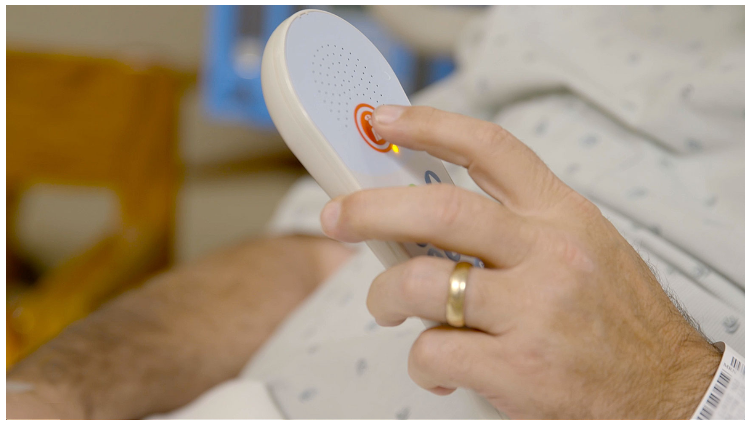 For a vulnerable resident in a skilled nursing facility, the bedside call button is not a luxury or a simple convenience—it is an absolute lifeline. When a resident presses that button, they are signaling a vulnerable need for assistance with basic human functions, acute pain management, or an immediate medical emergency. Yet, one of the most pervasive complaints from families throughout California involves unanswered call lights.
When minutes feel like hours to a resident in distress, delayed response times are rarely just a matter of poor customer service. Instead, they are frequently the direct manifestation of systemic nursing home staffing negligence. When facilities chronically understaff their shifts to maximize corporate profits, residents pay the price in safety, dignity, and all too often, their lives.
The Devastating Dangers of Delayed Responses
When a nursing home’s administrative staff fails to maintain sufficient personnel to promptly answer call buttons, they create an environment rife with preventable hazards. The consequences of this systemic neglect typically result in several critical types of injuries:
- Preventable Falls and Fractures: Many residents require “moderate assistance” or “maximum assistance” for transfers and ambulation. When a resident needs to use the restroom and activates the call light, they can only wait so long. Desperate and left with no choice, the resident may attempt to transfer to a commode or wheelchair unassisted. This frequently results in catastrophic falls, leading to subdural hematomas (brain bleeds), broken hips, and permanent loss of mobility.
- Unmanaged Medical Emergencies: Conditions such as strokes, myocardial infarctions (heart attacks), and internal hemorrhages require immediate clinical assessment. Every minute of delay directly increases the volume of tissue damage or the risk of mortality. An unanswered call light effectively insulates the facility from recognizing an active medical crisis.
- Severe Pressure Ulcers (Bedsores): Immobile residents rely entirely on staff for scheduled turning and repositioning, typically required every $t = 2$ hours. When a resident develops severe discomfort or realizes they have been left in soiled linens, they use the call light. Ignoring these requests leaves the resident resting in friction and moisture, rapidly accelerating the breakdown of skin into deep, infected Stage III or IV pressure ulcers.
California Law and Call Light Regulations
California strictly regulates the operational environment of skilled nursing facilities to protect resident safety. Under the California Code of Regulations (CCR) Title 22, Section 72315, nursing homes are mandated to provide nursing services that meet the total nursing needs of each patient, which explicitly includes maintaining an operational, accessible call system. Specifically, Section 72331 requires that a nursing station be equipped to receive patient calls from every bed, toilet, and bathing room.
Furthermore, California Health and Safety Code Section 1276.5 establishes minimum staffing ratios, requiring a baseline number of direct care hours per patient day. Despite these rules, California law recognizes that satisfying a generic numerical ratio does not shield a facility from liability if the actual needs of the residents are neglected. The legal standard of care requires a prompt response. When a facility’s average call light response time stretches past a reasonable threshold, it constitutes strong evidence of regulatory non-compliance and systemic understaffing.
Holding Negligent Facilities Accountable
When an injury occurs because a call light was ignored, nursing homes frequently attempt to rewrite the narrative. Corporate defense teams will claim the resident was “uncompliant” for attempting to get up alone, or that the injury was an unavoidable consequence of advanced age. These defenses are designed to obscure the truth: the facility failed to provide the basic care required by law.
Proving staffing negligence requires an aggressive, sophisticated investigation. This involves auditing the facility’s electronic call light logs—which capture the precise second a button was pressed and when it was cleared—and cross-referencing those logs with daily nursing assignment sheets and payroll records to reveal the true depth of understaffing.
Contact Nursing Home Law Group for a Free Consultation
If your loved one suffered a severe injury, experienced a catastrophic fall, developed severe bedsores, or passed away due to nursing home negligence in California, you do not have to confront the corporate legal teams alone. Nursing Home Law Group has been proudly representing individuals and families impacted by elder abuse and neglect throughout the State of California for more than 25 years.
Our dedicated and award winning legal team possesses a long, proven history of success in suing nursing homes throughout the State of California, including all Southern and Northern California counties. We investigate every allegation of staffing negligence to uncover the systemic failures that caused your loved one’s harm. We accept all cases on a contingency fee basis, meaning you pay absolutely nothing out of pocket unless we successfully secure a recovery for you. Call us today to speak with an experienced elder abuse attorney in California for a comprehensive, completely free consultation.



