
Articles Tagged with elder abuse

file451297827287-1-300x225 Whether you have an elderly loved one who lives in San Diego County or elsewhere in California, it is important to understand how elder abuse laws in our state can help to provide compensation for seniors who suffer injuries as a result of abuse and neglect in the assisted living setting. According to a recent report from the North Coast Journal, a California jury awarded $5 million to the family of an elderly woman who died while under the care of Timber Ridge McKinleyville. The jury, according to the article, “found the facility liable for wrongful death and elder abuse.” Of the $5 million jury verdict, $2.5 million in punitive damages was awarded.

Congratulations to attorneys Tim Needham and Michael Thamer for such outstanding work on behalf of this family.

This jury verdict emphasizes the importance of speaking with an experienced San Diego County nursing home abuse lawyer in the event that an elderly loved one sustains serious or fatal injuries resulting from elder abuse or neglect. If you have questions, do not hesitate to contact the Walton Law Firm.

503px-Paracetamol_acetaminophen_500_mg_pills_crop-1-252x300This past spring, a right-to-die law took effect in California, permitting residents of San Diego County who are terminally ill to make the decision to end their lives through doctor-prescribed medications. As an article from NBC News explained back in June 2016, California’s “End of Life Option Act” made the state the fifth in the nation “to create a legal process for patients to obtain aid in dying.”

While the law comes with many protections to prevent a situation in which a person takes life-ending drugs without making that choice for him or herself, numerous elderly safety advocates have voiced concerns about how the law could enable certain forms of elder abuse, particularly among patients with dementia. At the same time, however, some Californians think the law has not gone far enough to protect patients suffering from dementia. What do you need to know about the law and how it may impact elderly patients affected by Alzheimer’s and other forms of dementia?

Understanding the Key Tenets of the End of Life Option Act

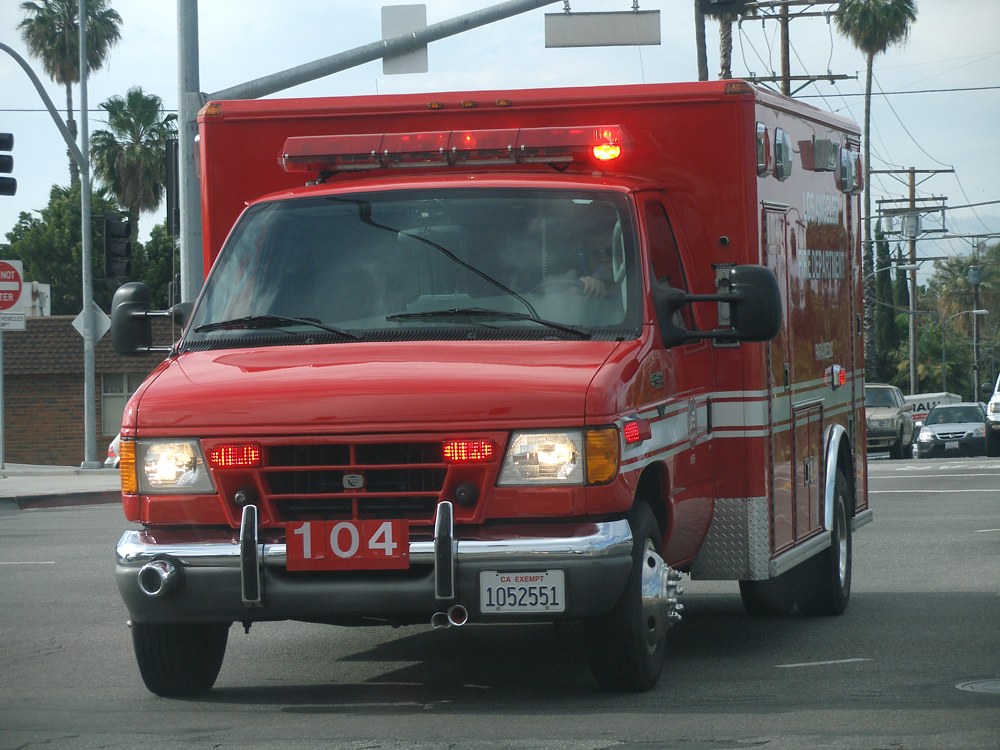
LAFD_ambulanceWhen an elderly loved one in San Diego requires nearly constant medical care, many family members are at their most concerned when that loved one has to be hospitalized. However, according to a recent article in California Healthline, one of the most dangerous periods for elderly patients actually starts after they leave the hospital, and perhaps not for the reasons you might think. The problem is not that the elderly person does not receive sufficient care after a hospital visit, but rather that the patient failed to receive proper care while in the healthcare facility. Does this rise to the level of elder neglect?

Problems Associated with Poor Transitional Care

The time between leaving the hospital and receiving care either from a home caregiver or staff members at a nursing home in Southern California is known as a period of “transitional care.” As Alicia Arbaje, an assistant professor at the Johns Hopkins School of Medicine explains, “poor transitional care is a huge, huge issue for everybody, but especially for older people with complex needs.” While “the most risky transition,” Arbaje explains, “is from hospital to home with the additional need for home care services,” since it is the type of situation about which the least is known, injuries resulting from poor transitional care can also happen when the patient goes from a hospital to a local nursing home.

Patch_of_the_San_Diego_Police_DepartmentLaw enforcement officials are often in a unique position to recognize signs and symptoms of elder abuse in the San Diego area. Yet, as an article from In Public Safety points out, police officers frequently are not sufficiently trained in recognize nursing home abuse and neglect, and as such they inadvertently miss the symptoms that could help to prevent future injuries and, in some cases, deaths. Since nursing home abuse cases also can coincide with calls concerning assault and domestic violence, it is important for law enforcement officers to be trained to recognize the signs of elder abuse.

Getting Law Enforcement Officials in California Involved in Elder Abuse Awareness

One of the first things we can do, the article suggests, to change the ways in which police officers evaluate whether someone has been the victim of elder abuse is to require specific training about nursing home abuse and neglect. In our state, the California Department of Social Services (CDSS) does have required training for mandatory reporters, but not all law enforcement officials understand the extent of elder abuse in the community and the ways that we can work together to help prevent it.

800px-Cbh_emergencydepartment1If an elderly San Diego County resident who has sustained injuries as a result of nursing home abuse ends up in an emergency department, will he or she be properly diagnosed with injuries caused by elder abuse? According to a recent article in Psych Central, formal diagnoses of elder abuse are made in only one out of every 7,700 visits to emergency rooms across the country. This information comes from a new study conducted by researchers at the University of North Carolina at Chapel Hill, the University of California San Diego, and Weil Cornell Medicine.

Given what we know about rates of elder neglect and nursing home abuse—a fact sheet from the National Council on Aging (NCOA) predicts that about 10% of all Americans aged 60 and older have been subject to some form of elder abuse—the notion that only about .01% of seniors who seek treatment in emergency departments are diagnosed with injuries caused by elder abuse seems startling. What else does this study teach us, and what can we do to help?

Majority of Elder Abuse Cases are Not Reported or Go Undiagnosed

NAMI_logoWhat do you know about mental health and nursing home neglect?

According to an article in Psychology Today, mental illness has become “the biggest economic burden of any health issue in the world, costing $2.5 trillion in 2010” alone. By 2030, that cost is expected to nearly triple to $6 trillion. However, despite the prevalence and costliness of mental illness—approximately 450 million people across the world currently suffer from some form of mental illness—the article emphasizes that mental health conditions continue to carry a stigma that prevents us as a society from talking about them openly and honestly. Unsurprisingly, the continued stigma of mental health or mental illness also makes its way into nursing homes, where patients who suffer from a mental health condition often becomes victims of nursing home abuse or neglect.

What can we do to prevent elder neglect among mental health patients?

file3451272140532How often does the California Department of Public Health fine nursing homes and assisted-living facilities for elderly patient injuries and deaths? When facilities do receive significant fines as a result of nursing home abuse or neglect, are those fines sufficient to protect other residents in the future? According to a recent article in the Los Angeles Daily News, the California Department of Public Health issued a $75,000 fine for a Southern California nursing home due to neglect resulting in a patient’s death.

Fatal Injuries Caused By Nursing Home Neglect in Canoga Park

As the article explains, Topanga Terrace, a nursing home in Canoga Park, was issued a $75,000 fine “after staff there failed to monitor a resident who kept removing his own breathing tube, resulting in death.” The patient needed a tracheostomy tube in order to breathe following a surgery in 2013. In addition to the use of the tracheostomy tube, the patient also “suffered from multiple illnesses including dementia, chronic respiratory failure, and tuberculosis.” Despite his medical needs, however, the facility did not have a treatment plan that included methods to prevent or deter the patient from removing his breathing tube.

handsIn order to stop nursing home abuse or to remove California seniors from assisted-living facilities where they have suffered serious injuries as a result of elder neglect, we need to know that this kind of abuse is occurring. However, according to a recent report in California Healthline, the silence surrounding elder abuse is one of the biggest barriers to helping seniors who have been victims of nursing home abuse and neglect. The report emphasizes that, when it comes to elder abuse, “one of the hardest parts about prosecuting and curbing it is that the victims are often too embarrassed or scared to speak up.” The California Healthline report cites an article in the Modesto Bee that clarifies that problem of silence in relation to nursing home abuse in California.

Victims Do Not Always Want to Report Abuse

In Modesto, CA alone, the Modesto Police have investigated 30 cases of elder abuse this year. According to the article, there are “dozens more throughout Stanislaus County,” and those numbers do not even begin to take into account the number of cases that have been reported in San Diego County or in other parts of the state.

file1251238100316June is Elder Abuse Awareness Month, and on June 15th, organizations across the globe will recognize World Elder Abuse Awareness Day, according to a press release from the United Nations. While we might not initially think about the ways in which California seniors who have been victims of elder abuse are connected to other older adults in other parts of the world, the World Health Organization (WHO) emphasizes that we need to think both locally and globally when it comes to preventing violence against the elderly.

During Elder Abuse Awareness Month, what can we do in California to help prevent nursing home abuse and neglect in a way that will reflect upon prevention initiatives in other parts of the world?

United Nations Resolution to End Violence Against the Elderly

DSC_1071Given that the elderly population of Southern California continues to grow, we need to invest time and effort into preventing elder abuse and nursing home abuse, according to a recent article in McKnight’s Long-Term Care News. While we continue to discuss the problem of elder abuse in our country and to engage in awareness-raising efforts, elder abuse and neglect remains a problem—and in some areas, the problem is getting bigger. Skilled nursing facilities and other long-term care facilities for the elderly need to do more to prevent elder abuse and neglect.

Placing the Burden on Nursing Home Directors to Properly Train Staff

As the article explains, statistics tell us that around 10% of America’s seniors become victims of elder abuse, “but that statistic alone does not come close to telling the full story of the epidemic.” The article underscores, “for every incident of abuse that does get reported, an estimated 22 do not.” What that fact means is that a majority of elderly Americans are suffering from elder neglect and nursing home abuse, and in many of those cases, the violence goes unreported. What can we do to prevent this kind of abuse? According to the article, much of the impetus is on “nursing home leaders who want to prevent abuse before it happens” by “focus[ing] on training their staff in skills that reduce interpersonal tension and stress.”

Contact Information