 California Nursing Home Abuse Lawyer Blog


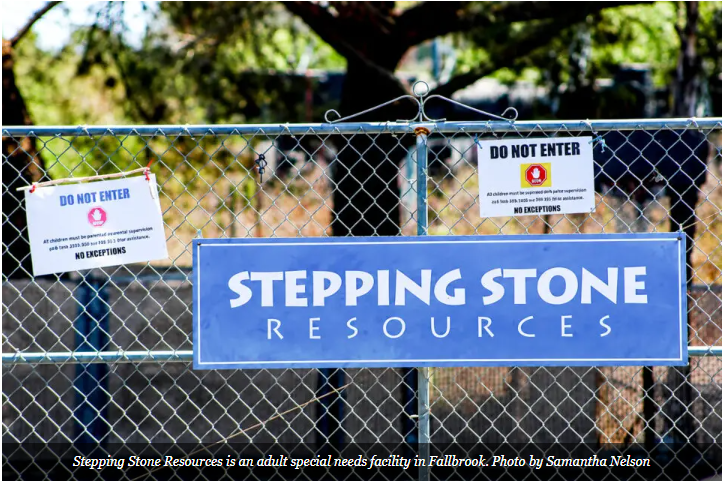 A recent tragedy in Fallbrook highlights the serious responsibility facilities undertake when caring for adults with developmental disabilities and other special needs.
According to reporting regarding the incident, 53-year-old Oceanside resident Ryan Radabaugh died after he was run over by a vehicle while lying in a parking lot outside Stepping Stone Resources, an adult special needs facility in Fallbrook. The incident occurred on July 23, when a 23-year-old driver reportedly entered the parking lot and did not see Radabaugh lying on the pavement. The vehicle was reportedly traveling approximately five miles per hour. Radabaugh was transported to the hospital but later died from his injuries.
The circumstances surrounding this tragic incident remain under investigation, and no determination has been made regarding whether the facility or any other party was legally responsible for Radabaugh’s death.
However, the incident raises important questions about the duties California facilities owe to the dependent adults entrusted to their care.
Special Needs Adults Are Often Protected as “Dependent Adults” Under California Law
California law provides important protections for adults whose physical or mental limitations affect their ability to protect themselves or carry out normal activities.
The Elder Abuse and Dependent Adult Civil Protection Act, commonly known as EADACPA, protects not only elderly Californians but also “dependent adults.” Under Welfare and Institutions Code section 15610.23, that term generally includes adults between 18 and 64 who have physical or mental limitations that restrict their ability to carry out normal activities or protect their rights.
This protection can be particularly important for adults with developmental disabilities, cognitive impairments, serious physical disabilities, and other conditions requiring them to depend upon caregivers for their safety.
When a facility accepts responsibility for caring for such an individual, its responsibilities can extend far beyond providing meals and a place to stay. Depending on the resident’s needs, proper care may require supervision, assistance with activities of daily living, protection from known hazards, monitoring for changes in condition, and reasonable precautions to prevent foreseeable injuries.
Inadequate Supervision Can Have Devastating Consequences
Supervision is especially important when a dependent adult has limited awareness of environmental dangers.
A resident who does not appreciate the danger posed by traffic, wandering away from a facility, falling, choking, or other common hazards may require substantially more supervision than another resident. A care plan that looks adequate on paper means little if staff fail to actually implement it.
The Fallbrook incident is particularly concerning in light of reports that the California Department of Social Services previously investigated a 2025 complaint involving a different client allegedly lying in the facility’s parking lot without apparent supervision. DSS ultimately classified that prior allegation as unsubstantiated.
According to the investigation report, however, the facility administrator reportedly told DSS that a client enjoyed lying on the pavement outside and was always supervised. The administrator also reportedly explained that clients would be escorted inside before authorized vehicles were permitted into the parking lot.
Whether any of those circumstances relate to Radabaugh’s death remains under investigation. But the broader safety principle is clear: when a facility knows a dependent adult engages in behavior that could place that person in danger, reasonable precautions must be taken to protect that individual.
When Neglect Becomes Dependent Adult Abuse
Not every accident at a care facility constitutes dependent adult abuse. California law distinguishes ordinary negligence from the heightened misconduct necessary for certain remedies under EADACPA.
Under Welfare and Institutions Code section 15610.57, “neglect” can include the failure of a person responsible for a dependent adult’s care to exercise the degree of care that a reasonable person in a similar position would exercise. The statute specifically addresses failures involving personal safety, medical care, food, clothing, shelter, and other basic needs.
In serious cases, repeated or reckless failures to provide necessary supervision or protection may support a claim for dependent adult neglect. When the requirements of Welfare and Institutions Code section 15657 are established, California law can provide remedies beyond those ordinarily available in a negligence action.
These laws exist for an important reason. People with significant disabilities may be unable to recognize danger, report mistreatment, or advocate for themselves. Their families place enormous trust in the facilities and caregivers responsible for protecting them.
Nursing Home Law Group Represents Dependent Adults and Their Families
At Nursing Home Law Group, our work is not limited to traditional nursing home cases. We represent elderly and dependent adults who have suffered serious injuries because the people and facilities responsible for their care failed to protect them.
Our attorneys have handled cases involving inadequate supervision, falls, pressure injuries, medication errors, failure to obtain necessary medical treatment, unsafe conditions, and other forms of neglect involving vulnerable adults in care settings.
Cases involving adults with developmental disabilities or special needs require careful investigation. Facility records, individual care plans, staffing records, incident reports, prior complaints, regulatory investigations, surveillance footage, and witness testimony may all help determine what occurred and whether an injury could have been prevented.
If your loved one has suffered a serious injury or died while under the supervision of an adult residential facility, special needs program, assisted living facility, nursing home, or other California care provider, Nursing Home Law Group can investigate what happened and determine whether California’s dependent adult protection laws apply.
Families entrust these facilities with the safety of people who may not be able to protect themselves. When that trust is violated and neglect causes serious harm, California law provides a means to hold those responsible accountable.



