Articles Posted in Skilled Nursing

bedsore-300x200Pressure ulcers, commonly known as bedsores, are a silent epidemic sweeping through California’s nursing homes and assisted living facilities. These often-preventable wounds, which range from mild skin discoloration to deep, bone-exposing craters, are not merely an inconvenience; they are a sign of neglect, a source of immense pain, and a significant threat to the health and dignity of our most vulnerable seniors. At Nursing Home Law Group, we’ve witnessed firsthand the devastating impact of bedsores, representing over 100 clients whose lives have been irrevocably altered by these preventable injuries. Our California bed sore lawyers are always available to discuss your case.

What are Pressure Ulcers and Why Are They So Prevalent?

Pressure ulcers are localized injuries to the skin and underlying tissue, usually over a bony prominence, resulting from sustained pressure, or pressure in combination with shear or friction. In simpler terms, when an individual remains in one position for too long, the constant pressure restricts blood flow to that area. Without adequate blood flow, the tissue begins to die, leading to the formation of a sore.

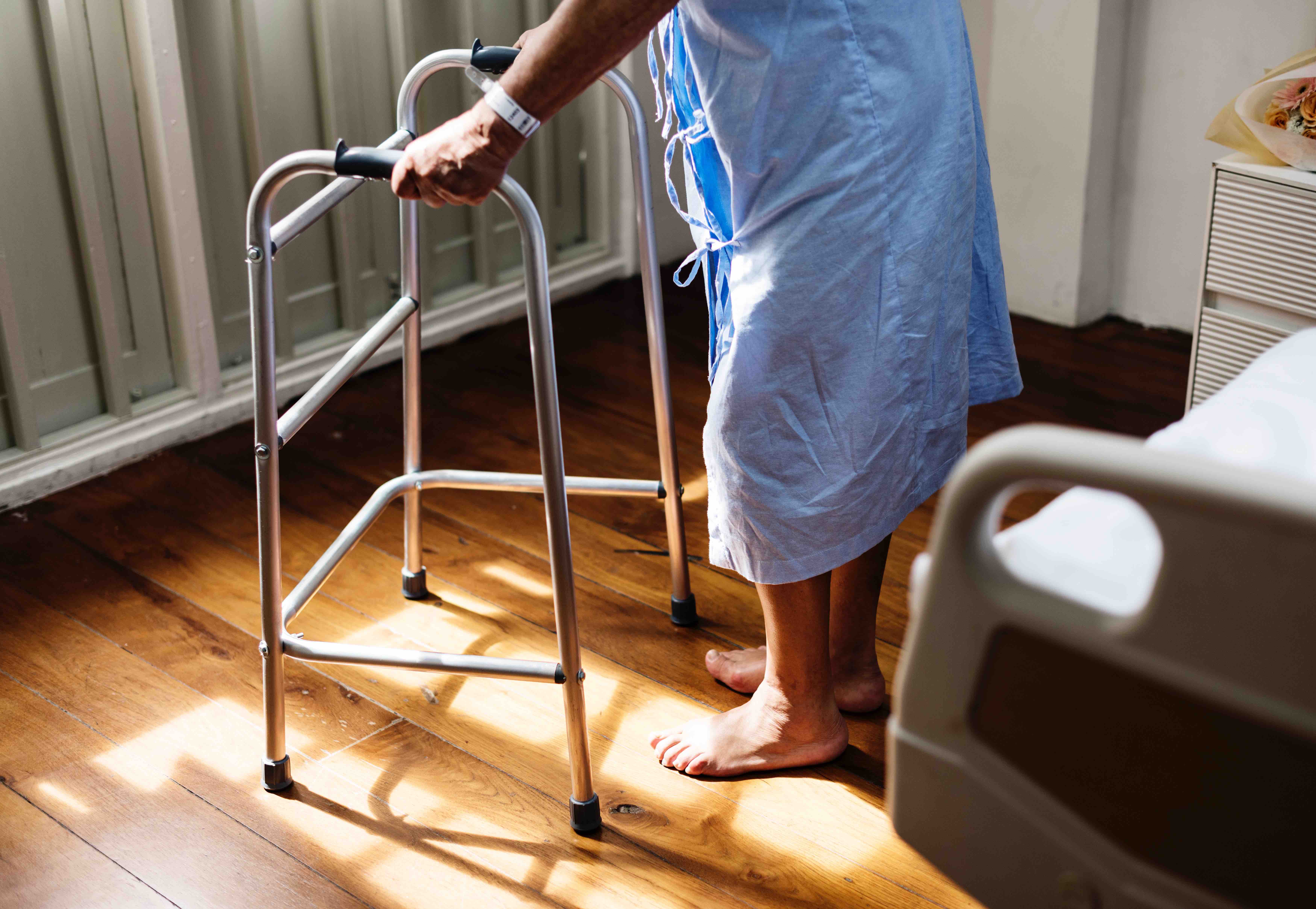
rawpixel-487102-unsplash-copy-300x207When a parent or grandparent is harmed in a nursing home or assisted living facility, most families do not feel ready to “hire a lawyer.” They feel shocked, guilty, and unsure where to begin. You might be trying to make sense of a fall that never should have happened, sudden weight loss and dehydration, a worsening pressure sore, medication errors, or a rapid decline that staff keeps brushing off as “just aging.”

The good news is that you can take practical steps to find a qualified San Diego County elder abuse lawyer who understands nursing home abuse and neglect cases and who has the resources to prove what happened.

Just as importantly, California elder abuse and neglect law can apply not only to skilled nursing facilities, but also to assisted living settings such as Residential Care Facilities for the Elderly. If your loved one was harmed in assisted living, the same careful attorney selection process matters.

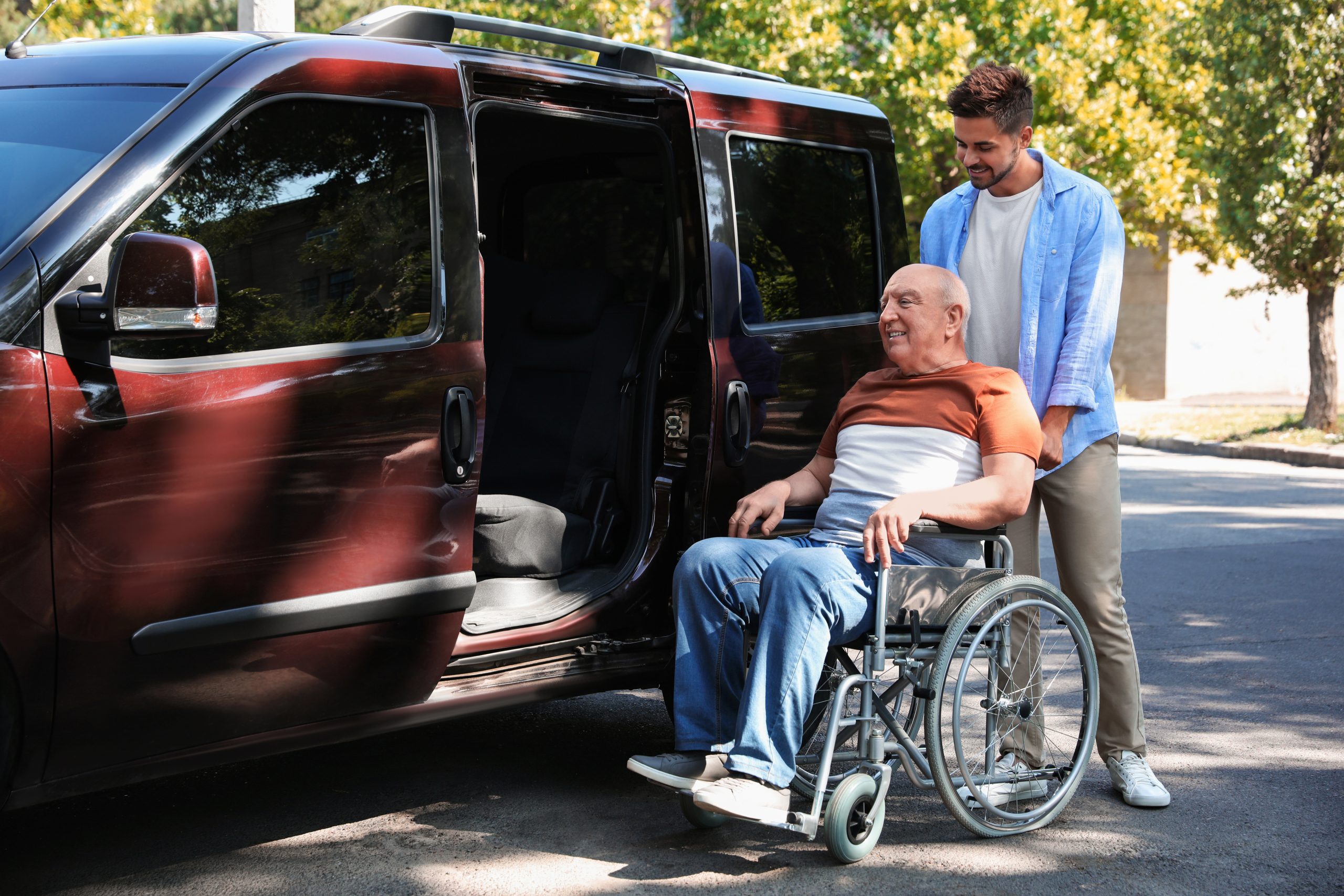
TransportVan-300x200In California, residents of Residential Care Facilities for the Elderly (RCFEs) and skilled nursing facilities often rely entirely on the facility to arrange and provide transportation. This may be for routine medical appointments, specialist visits, therapy, social outings, or even transfers between facilities. While this might seem straightforward, improper handling during transportation is a significant and often-overlooked source of serious injuries to vulnerable residents.

Elderly residents may have fragile bones, limited mobility, and chronic health conditions that make them highly susceptible to harm. A fall while getting into or out of a van, being improperly secured in a wheelchair, or a sudden jolt during transport can result in fractures, head trauma, or other life-threatening injuries. These incidents are not just “accidents” — they are often the result of negligence by staff who fail to follow basic safety procedures.

At Nursing Home Law Group, we have represented numerous families whose loved ones were hurt during facility-arranged transport. These cases often reveal troubling patterns: untrained drivers, poorly maintained lift equipment, inadequate supervision, and failure to secure residents properly. In some situations, residents are left unattended in vehicles for dangerous periods of time, leading to heat stroke, dehydration, or other preventable medical emergencies.

California Attorney General Rob Bonta has filed a lawsuit against Sweetwater Care, a San Diego-based operator of 19 skilled nursing facilities across the state, for gross violations of elder care standards. The lawsuit, filed under California’s Unfair Competition Law, alleges that Sweetwater endangered vulnerable residents by repeatedly failing to meet the state’s minimum staffing requirements—leading to widespread neglect, abuse, and even physical injuries.

The lawsuit follows a sweeping investigation by the California Department of Justice’s Division of Medi-Cal Fraud and Elder Abuse (DMFEA), which uncovered a disturbing pattern of misconduct at Sweetwater facilities between 2020 and 2024. According to the findings, Sweetwater violated minimum staffing laws more than 14,000 times, placing elderly and disabled residents in harm’s way.

The consequences of this understaffing were severe:

“Cost-cutting is to be expected in any business, but nursing homes are particularly vulnerable. Staffing often represents the largest operating cost on a nursing home’s ledger. So, when firms buy a home, they cut staff. However, this business model has a fatal flaw. “Nurse availability,” Gupta and his colleagues wrote, “is the most important determinant of quality of care.”

“The data revealed a troubling trend: when private-equity firms acquired nursing homes, deaths among residents increased by an average of ten per cent.”

Read this compelling article from the New Yorker.

josh-appel-423804-copy-300x225Whether nursing home patients reside at a skilled nursing facility in Escondido or elsewhere in California, they now have greater protections against elder abuse and neglect. According to a recent article in the Los Angeles Times, a new California state law requires that patients receive a minimum number of hours of care from certified nursing assistants (CNAs). The law took effect on July 1, 2018, but will patients see an immediate change in the way staffing works at nursing homes across the state? Will staffing increases reduce the rates of nursing home neglect in the state?

Staffing Requirements Stricter, But Will Facilities Meet Those Requirements?

Under the new law, what kinds of staffing requirements are required at nursing homes in Escondido and throughout California? As of July 1, facilities must provide each patient with at least 3.5 hours of direct care every day. This number increased from a previous requirement of 3.2 hours of direct patient care per day. But that change is not the most drastic of the shifts in the law. The significant change is that at least 2.4 of these daily hours of direct patient care must be provided by CNAs.

ElderCare-1024x571When does a staffing shortage at a nursing home or assisted-living facility become grounds for an elder neglect case? According to a recent article in the San Francisco Examiner, staffing levels at skilled nursing facilities and other residences for elderly Californians “is an ever-expanding problem.” The need for support services continues to grow in the state, yet the demand doesn’t always fit the need.

To be sure, “individuals 85 years and older, the oldest of the old, are one of the fastest-growing segments of the population.” But, does California have the tools it needs to properly care for these elderly residents?

Rapidly Growing Elderly Population

Contact Information