Articles Posted in Assisted Living Facilities

file1251238100316Cases of nursing home abuse and neglect often go unreported. Even when seniors report incidents of elder abuse, there is no promise that a nursing or assisted-living facility will be held accountable. Given that nursing home abuse continues to plague elderly residents of Southern California, where can we turn to seek clearer answers about the causes of abuse and neglect? According to a report from NBC News, interviewing certified nurse aides might help to give us some insight into the reasons that nursing home neglect continues to result in serious injuries to some of the most vulnerable Californians.

Taking Questions About Nursing Home Abuse and Neglect “Straight to the Source”

How can we find out more about the reasons that elder abuse persists in facilities throughout the state of California? One advocate, Carolyn Pickering, has decided to go “straight to the source,” and she is “asking certified nurse aides what they think the problems are.” As Pickering explained, there is a close relationship between happy and healthy employees and happy and healthy patients. You cannot have one without the other, she intimates. Given the link between employee safety and patient safety, Pickering believes that certified nurse aides and other healthcare professionals employed by nursing homes can help to shed light on the issues that result in elder neglect.

file3261246766942According to a recent article from Modern Healthcare, a Riverside nursing home owned by Schlomo Rechnitz was the target of an FBI investigation. The FBI served search warrants at the Alta Vista Healthcare & Wellness Centre late last month, but the agency has not yet commented on the nature of its investigation. Have more issues of nursing home abuse and neglect arisen at facilities in our state?

Learning about nursing home abuse and neglect allegations in Southern California can be disconcerting, particularly when you have an elderly loved one who receives care at a nursing home or assisted living facility in our state. If you have concerns about a senior’s safety, you should contact an experienced San Diego nursing home abuse attorney.

Renewed Scrutiny into Rechnitz Facilities

file0002014909352According to a recent article in the Contra Costa Times, the family members of an 85-year-old senior are suing the San Pablo skilled care facility where she lived for elder abuse and neglect. The family alleges that the senior’s death was “the direct result of improper care at the facility where she was a patient for the last three years.” The family also alleges that the San Pablo facility, Vale Healthcare Center, failed to:

  • Meet staff-to-patient ratios required by the law;
  • Provide care plans for dementia patients;

Shower headOver the past couple of years elder advocates have been paying a significant amount of attention to physical abuse and neglect at nursing homes in the San Diego area. It is important to remember that nursing home abuse can take many forms, including emotional and psychological abuse. According to a recent report from ABC 10 News, allegations of elder abuse at a Vista facility have resulted in an investigation by the San Diego County Sheriff’s Department. The article indicates that an employee at the LifeHOUSE Vista Healthcare Center has been “accused of using her cellphone to take footage of a patient getting in the shower, and then posting it on the internet.”

Elder Abuse Investigation in Vista

The elder abuse investigation in Vista got underway after someone who viewed the online video “took a screen grab” of it and sent it to ABC 10 News. The video was taken on Snapchat. According to the report, “it shows a partially nude woman from the shoulders up,” and there is an employee “standing behind her laughing.”

As of July 1, 2015, owners of Residential Care Facilities for the Elderly (RCFEs) in California were required to have liability insurance in the event of elder neglect and other related injuries. The new law, which went into effect just this past summer, began as AB 1523, a bill that was sponsored by the Consumer Advocates for RCFE Reform (CARR). In the minds of many elder justice advocates, mandatory liability insurance for RCFEs represents one step toward safer care options for seniors in California. If we take a closer look at the history of the bill and the implications of mandatory liability insurance in our state, we can better understand how this new law may have an effect on incidents of nursing home abuse.

Background to AB 1523 and the Requirement of RCFE Insurance

Over the last couple of years, numerous advocates have voiced concern about the state of the assisted-living industry in California. Many reports about elder abuse and neglect appeared in The San Diego Union-Tribune, emphasizing the need for reform measures throughout the state. One of those reforms includes the law requiring liability insurance for RCFEs. As CARR explains in a press release about the new law taking effect, the advocacy group conducted extensive research into the affordability of mandatory insurance. In short, CARR found that “the average monthly cost to a small, six-bed facility would amount to approximately $50 per month per resident.” According to CARR, $50 per month for each resident of an RCFE is “a reasonable amount by any standard.”

handsIf California nursing home employees go on strike, who will provide care for patients residing in the facilities? Should families of those patients have concerns about nursing home neglect? According to an article in the Marin Independent Journal, sixty nursing home workers went on strike last month in San Rafael following a string of nursing facility violations from government regulators. The strike was aimed at forcing the nursing facility to cease its understaffing practices and to encourage a work environment in which providing a threshold level of care for patients is among the most important logistics of running the facility. Even if such a strike is intended to improve conditions, who cares for patients while employees are on strike?

Understaffing and High Turnover Limits Quality of Care

The recent strike occurred at San Rafael Healthcare and Wellness Center, which is owned by Brius Healthcare Services. With more than 80 facilities in California, Brius is the largest nursing home chain in our state. For the last 18 months, employees of the nursing home have been working without having a contract. Why are employees working without a contract? About a year and a half ago, those workers rejected the terms of a union-negotiated contracted because it did not do enough to deal with the serious understaffing problem at the facility.

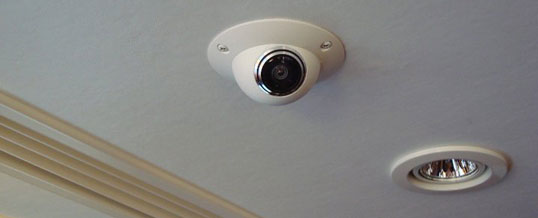
video_surveillance_lawsMany Californians have loved ones in nursing homes or assisted-living facilities. While we want to put our trust in these facilities and to believe that they are treating our elderly parents and relatives properly, many of us worry about the risks of nursing home abuse and neglect. According to a recent article from NBC San Diego, local families want to install cameras in patient bedrooms, “but they are facing a roadblock from the state.”

Documenting Elder Neglect in Southern California

Why wouldn’t the state want to use video cameras in patient rooms to monitor for elder abuse or neglect? According to Joe Balbas, the co-owner of Vista Gardens, “elderly patients in nursing facilities should have the option of having security cameras in their room[s].” Vista Gardens is a residential facility for patients with Alzheimer’s and other forms of dementia. Balbas believes that installing cameras in rooms—at the request of patients and their families—could help to prevent serious injuries.

Amidst news reports of elder abuse and neglect in assisted-living facilities, nursing homes, and residential care facilities for the elderly (RCFEs) across the state, the California Department of Public Health (CDPH) has been criticized for its failure to investigate. What did it fail to investigate, exactly? Elderly patients and their families argue that they reported nursing home abuse incidents to the CDPH, yet they contend that the department didn’t investigate those complaints in a timely manner and failed to properly fine the responsible facilities.

budgetcalculatorMore Funding for Elder Abuse Investigations

According to a recent press release from the California Advocates for Nursing Home Reform (CANHR), Governor Jerry Brown has proposed a budget for the coming fiscal year that would “add more than $30 million and about 260 positions for the Licensing & Certification Division of the California Department of Public Health.” Yet, the most surprising part of the new budget isn’t merely about licensing and certification. Rather, as the CANHR suggests, it’s about taking complaints about nursing home abuse investigations more seriously.

Many of us know that the state of California has been under intense scrutiny for the way it has handled nursing home abuse and neglect violations. In addition to concerns about the frequency with which the California Department of Public Health has investigated a number of complaints, victim advocates also contend that facilities across the state aren’t fined enough to prevent future elder abuse violations.

According to a recent news release from the California Advocates for Nursing Home Reform (CANHR), the Department of Public Health has cited a couple of facilities in southern California for serious violations. And, according to the report, each of the facilities received a $75,000 fine—an amount that suggests that the state is heading in the right direction.

empty-bed-in-nursing-homeResident Death at Paramount Meadows

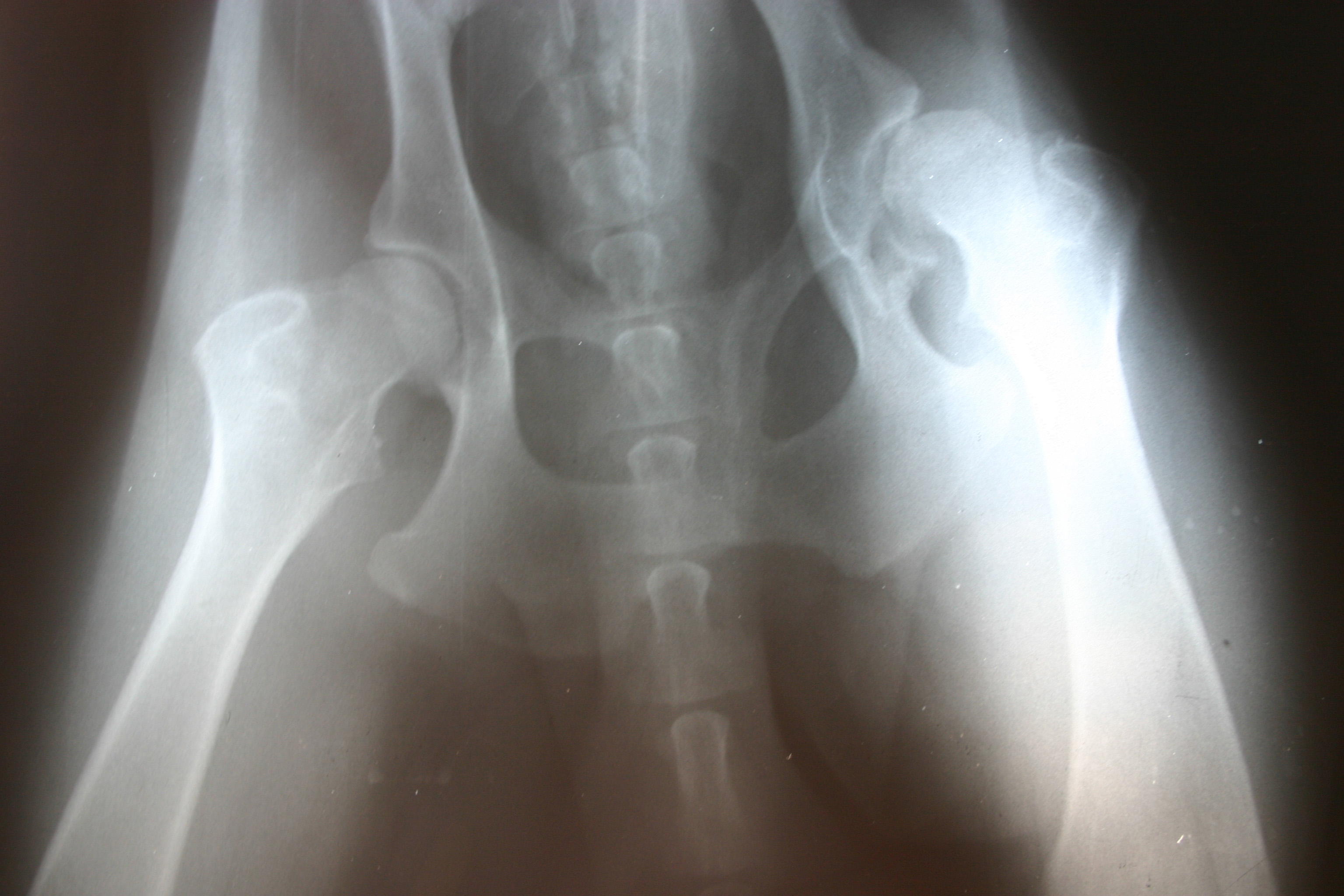
For elderly adults who live on their own or in nursing homes and assisted-living facilities, falls can result in serious and life-threatening injuries. While falls are not the result of elder abuse, they can occur when there is a clear issue of nursing home neglect. A recent article in the New York Times emphasized that the number of reported falls among older adults—many of those accidents leading to serious and sometimes fatal injuries—is a number that is “soaring.”

Nursing Home Regulations file000289604980Aimed at Preventing Falls

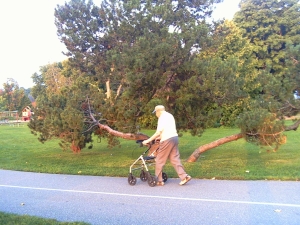
How can nursing homes take steps to prevent dangerous falls? The New York Times article discusses the policies put in place recently by a retirement community which require that, during mealtimes, residents who use walkers to get around must have their walkers “valet parked” after they find a seat at the table. In addition, they are not permitted to use their walkers during the meal—they must stay in their seats while staff members serve them. While many residents of the facility argued that the policy “infringed on [one’s] freedom of movement,” it prevented a number of serious falls at the buffet.

Contact Information