 California Nursing Home Abuse Lawyer Blog


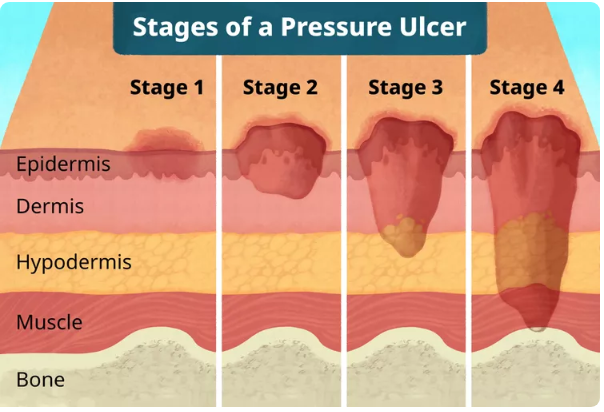 A bed sore does not start as an emergency. It begins as a patch of red skin that a caregiver should have noticed and relieved. When no one does, the damage can reach muscle and bone, bacteria can enter the bloodstream, and a preventable wound can become sepsis, a life-threatening reaction to infection. If you lost a loved one this way, or fear you may, this article explains what happened and what you can do.
What a Bed Sore Is
Bed sores, also called pressure injuries, pressure ulcers, or decubitus ulcers, form when constant pressure cuts off blood flow to the skin. They appear most often over bony areas such as the tailbone, hips, heels, and shoulder blades. Residents who cannot reposition themselves, who are malnourished or incontinent, or who have dementia, diabetes, or poor circulation are at the greatest risk.
Pressure injuries are described in stages:
- Stage 1: reddened skin that does not fade when pressed
- Stage 2: a blister or shallow open wound
- Stage 3: a deep wound reaching fat
- Stage 4: a wound reaching muscle, tendon, or bone
- Unstageable: a wound covered by dead tissue that hides its depth
Stage 1 and 2 injuries usually heal when caught early. Stage 3 and 4 wounds are serious medical events.
How a Skin Wound Becomes Sepsis
An open wound is a doorway for bacteria. Left untreated, a deep pressure injury can develop infection, tunneling under the skin, abscesses, or infection of the bone (osteomyelitis). Bacteria can then enter the bloodstream and trigger sepsis, in which the body’s own response to infection begins damaging organs. Sepsis can progress within hours to septic shock, organ failure, and death. Frail older adults face the greatest danger, because they may not run a fever or complain of pain.
Why Prevention Is Everything
Nearly all bed sores are preventable with basic care. A facility that is doing its job will:
- Assess skin risk on admission and regularly afterward
- Reposition residents who cannot move, generally at least every two hours
- Use pressure-relieving mattresses and cushions, and protect heels
- Provide nutrition and fluids and watch for weight loss
- Keep skin clean and dry, and manage incontinence promptly
- Inspect skin daily and document what staff find
- Staff the facility adequately so these steps actually happen
Prevention breaks down when facilities are understaffed or poorly trained, or when no one is watching.
When a Wound Appears, Time Matters
If staff find a wound, the facility must act immediately: tell the physician and the family, begin wound care, relieve the pressure, address nutrition and infection, and send the resident to the hospital if the condition is worsening. Warning signs of infection or sepsis include:
- Redness, warmth, swelling, foul odor, or pus at the wound
- Fever or unusually low body temperature
- Rapid heartbeat or breathing
- New confusion, extreme sleepiness, or sudden decline
- Clammy skin or low blood pressure
Waiting, or hoping a wound will improve on its own, is often how a treatable problem becomes fatal.
California’s Rules for Care Facilities
California licenses skilled nursing facilities and assisted living communities (residential care facilities for the elderly), and each has a duty to prevent and treat these injuries. In assisted living, serious pressure injuries (stage 3 and 4) are generally treated as prohibited conditions that can require a resident to be moved to a higher level of care, subject to limited exceptions. Facilities that ignore the rules can be cited by state regulators. [VERIFY current regulation and exceptions.]
Bed sores that result from neglect may also give rise to a claim under California’s Elder Abuse and Dependent Adult Civil Protection Act, which can allow families to seek compensation and, in some cases, enhanced remedies. Strict deadlines apply, and some are as short as one year in certain situations, so do not wait to seek advice.
What Families Can Do
If you suspect a bed sore or sepsis was caused by neglect:
- Make sure your loved one is safe and receiving appropriate medical care
- Photograph wounds and document dates, staff names, and conversations
- Request the complete medical chart, care plans, wound assessments, and turning records
- Report concerns to the facility, the Ombudsman, and the appropriate state agency
- Speak with an attorney before signing anything from the facility or its insurer
Why Families Call Nursing Home Law Group
Nursing Home Law Group focuses on cases involving bed sores and neglect in 24-hour care facilities across California. We know how to read wound records, work with medical experts, and show how a preventable wound became a deadly infection. We handle these cases on a contingency basis. [Confirm wording.] If you believe a bed sore led to sepsis, call (866) 607-1325 for a free, confidential consultation.


