 California Nursing Home Abuse Lawyer Blog


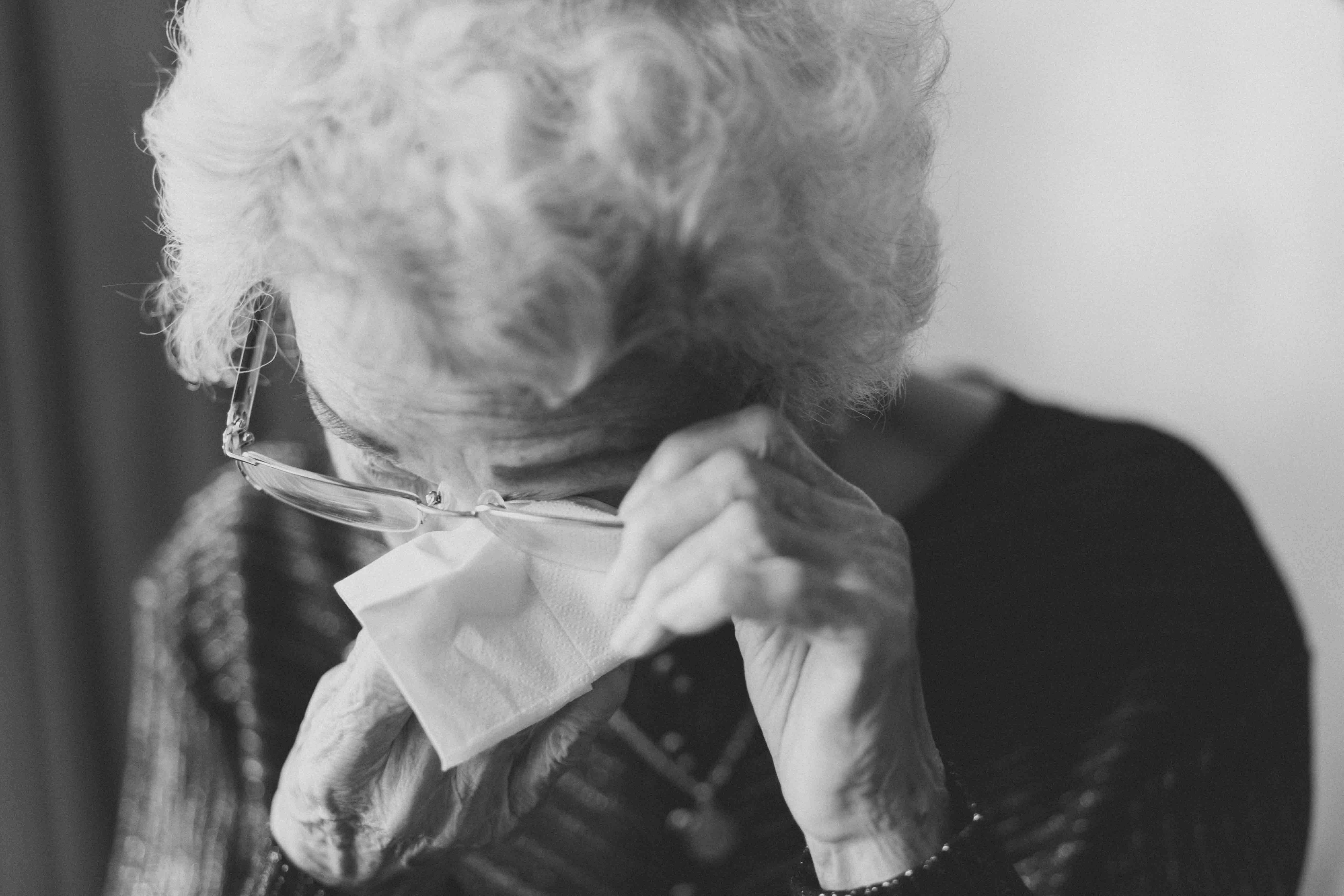 Making the decision to help an elderly parent or loved one move into a nursing home can be extremely stressful, especially given the prevalence of serious injuries resulting from nursing home abuse and neglect. It is extremely important for family members and loved ones to be aware of the signs of abuse and neglect while recognizing that abuse can take many different forms. Often, when there are reports of neglect at nursing homes or assisted-living facilities in California, those reports arise out of passive neglect — unintentional harm that usually results from a facility being understaffed, having staff members who are burned out, or other conditions that result in residents failing to receive the amount or type of care they need. But does neglect also take other forms?
Intentional abuse can take many forms, and sometimes other intentional acts can result in signs and symptoms associated with passive neglect. Our Orange County nursing home abuse and neglect lawyers can explain in more detail.
Abuse and Neglect Takes Many Forms
There is no single sign or symptom of abuse and neglect in a nursing home or assisted-living facility. Rather, since abuse and neglect can take so many different forms, the signs and symptoms vary. Forms of abuse affecting elderly adults include but are not limited to:
- Physical abuse, such as hitting or burning or restraining;
- Emotional or psychological abuse, which often involves intentional threats or humiliation;
- Sexual abuse, which involves sexual acts committed without a resident’s consent or when they cannot consent due to a medical issue such as dementia;
- Passive neglect, where harm results from a negligent lack of care or attention; and
- Willful deprivation, where staff intentionally withhold necessities from residents, resulting in harm.
Understanding Willful Deprivation and the Signs of Neglect
In a nursing home setting, willful deprivation can often look like passive neglect. Regardless of whether a resident has sustained injuries due to willful deprivation (which is intentional) or passive neglect (which results from negligence), the nursing home can be liable.
According to the National Council on Aging (NCOA), willful deprivation can be understood as “denying an older adult medication, medical care, shelter, food, a therapeutic device, or other physical assistance, and exposing that person to the risk of physical, mental, or emotional harm.” If you have an elderly loved one with unexplained injuries or infections, or who is suffering from dehydration or malnutrition, or living in unsanitary conditions or with their medical needs going unmet, you should raise concerns about both passive neglect and willful deprivation.
Contact Our Orange County Nursing Home Neglect Attorneys Today for Assistance with Your Claim
Often, when we hear or read about nursing home abuse and neglect, the cases of neglect reported are those involving passive neglect. To be clear, as we discussed above, a nursing home or assisted-living facility is no less liable for passive neglect than it is for intentional physical or psychological abuse, for example. Yet it is important to understand the different ways in which neglect can occur, including the different signs that this particular form of abuse can take. If you have any concerns about an elderly loved one’s well-being, whether it is due to passive neglect, willful deprivation, or another form of elder abuse, you should seek help from a Orange County nursing home abuse and neglect lawyer at our firm. Contact the Nursing Home Law Group today for assistance and to learn more about the services we provide to families throughout Southern California.
See Related Blog Posts:
CDC on Older Adult Fall Rates by State
Falls and Choking Among Highest Injury Risks in Nursing Homes


