 California Nursing Home Abuse Lawyer Blog


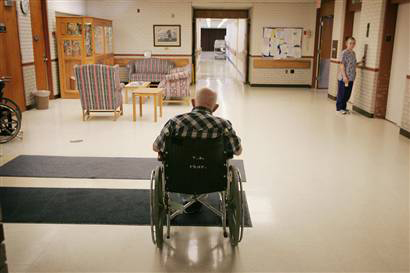
When placing a loved one in a long-term care facility, families rely heavily on official Medicare star ratings to ensure their safety and well-being. Unfortunately, a groundbreaking data analysis by USA Today reveals a deeply troubling reality: the lowest-scoring nursing homes in the United States tend to stay that way year after year, trapped in a cycle of persistent subpar care.
Even more alarming is the fact that for many families, these poorly performing facilities are the only options available for miles. When geographic necessity forces families to utilize understaffed or poorly rated centers, vulnerable seniors pay the ultimate price.
The Scope of Consistent Nursing Home Misconduct
According to the USA Today report, twenty percent of the nation’s 15,700 nursing homes consistently receive the lowest possible marks under Medicare criteria. This isn’t a temporary dip in performance; it is a chronic, systemic failure to provide basic human care.
With more than 250,000 Americans currently residing in these chronically low-rated skilled nursing facilities, the human cost is staggering. Every single day, a massive population of dependent adults and seniors is exposed to heightened risks of nursing home abuse or neglect.
While federal oversight agencies claim to monitor these “special focus facilities,” the bureaucracy moves far too slowly. “We want to see improvements, but we don’t expect a nursing home will jump to a five-star rating within a one-year time period,” noted Thomas Hamilton, a representative from Medicare. For a frail resident dealing with chronic health issues, waiting years for a facility to slowly correct its errors is a luxury they simply do not have.
Diving Into the Data: High Deficiency Rates
What exactly does a chronically low rating mean for a resident? The data provides a clear, grim picture. The analysis discovered that the lowest-tier nursing homes averaged a staggering 14 annual health and safety deficiencies per facility.
These deficiencies are not minor administrative typos. They typically include severe safety violations such as:
- Medication Errors: Failing to administer critical prescriptions accurately.
- Inadequate Infection Control: Allowing preventable conditions, like sepsis or severe urinary tract infections (UTIs), to spread.
- Understaffing Injuries: Lacking the personnel to safely assist residents, directly leading to frequent bed fall accidents and preventable bedsores (pressure ulcers).
- Physical or Emotional Abuse: Failing to properly screen or supervise staff, allowing active physical, mental, or financial exploitation to take place.
When a facility averages more than one major violation per month, negligence becomes an embedded part of their business model rather than an isolated incident.
Protecting Your Loved Ones from Chronic Neglect
If your family member lives in a long-term care center, monitoring their physical and psychological state is vital. Look closely for warning signs of poor care, including sudden weight loss, unexplained bruising, poor personal hygiene, or an uncharacteristic withdrawal from social interaction.
If you suspect a facility is failing to meet federal safety standards, you have the right to file formal complaints and seek legal accountability.
Speak to a California Nursing Home Abuse Attorney
No elder or dependent adult should be forced to endure substandard care simply because of where they live. If you suspect that a loved one has suffered from nursing home abuse or neglect anywhere in California, you do not have to navigate this stressful situation alone.
The dedicated legal team at Nursing Home Law Group represents seniors and dependent adults throughout California who have been harmed in nursing homes, skilled nursing facilities, and assisted living settings. We are committed to holding negligent corporations accountable and securing the justice your family deserves.
Contact our firm today at (866) 607-1325 for a completely free, confidential consultation. Let us help you protect the people who matter most.



