 California Nursing Home Abuse Lawyer Blog


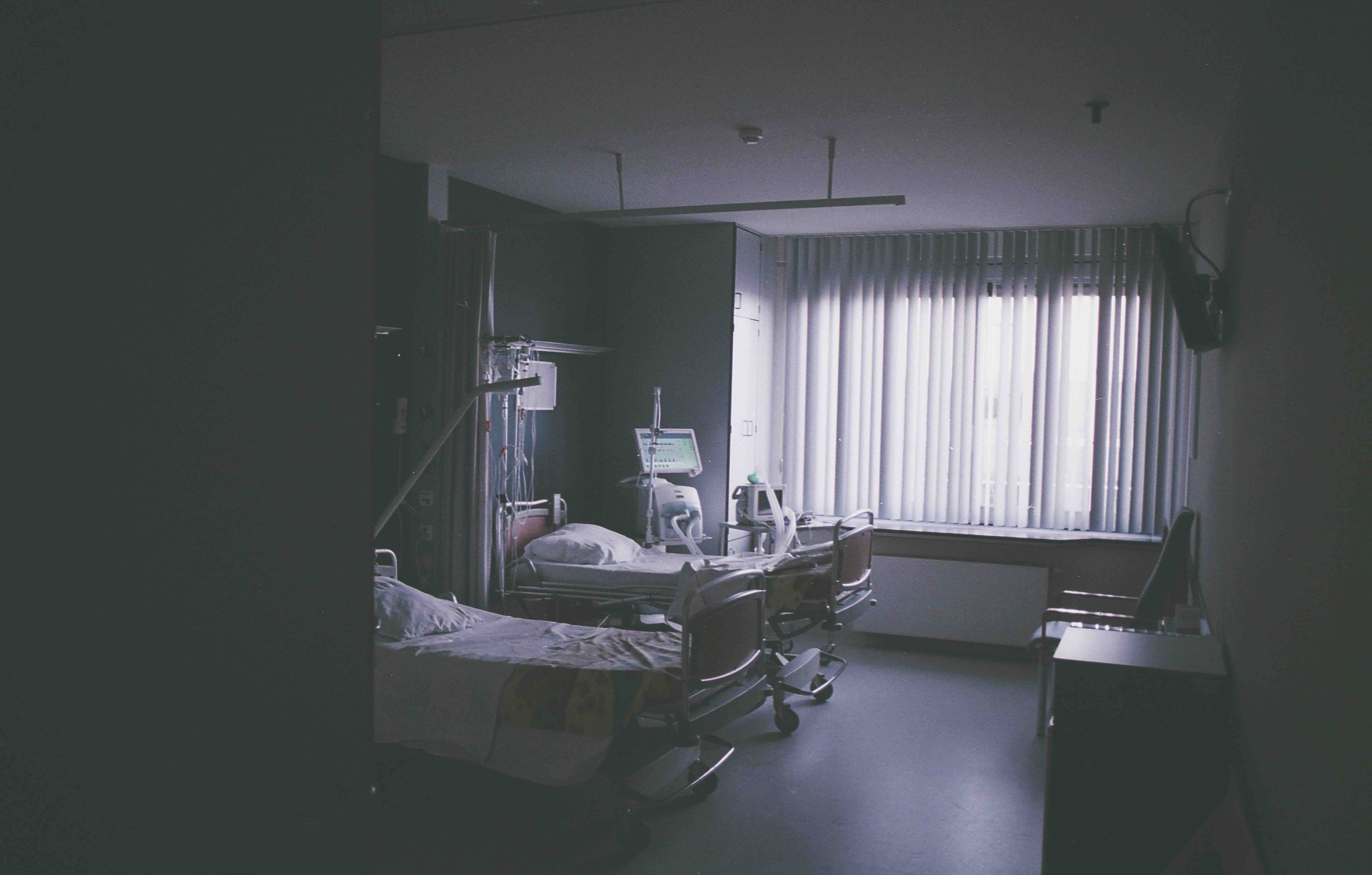 If you have ever walked into a nursing home and felt that something was off, call lights ringing, residents waiting too long for help, staff moving at a sprint, you already understand the core issue. Safe nursing home care depends on having enough trained people on the floor, for enough hours, every day.
That is why minimum nursing hours are imperative. They are not a luxury, and they are not a paperwork exercise. They are the basic guardrails that prevent predictable harm.
Recently, a coalition of Attorneys General from across the country sent a formal letter to federal leadership urging strong, quantitative staffing requirements for skilled nursing facilities. The letter is signed by many state Attorneys General, including California Attorney General Rob Bonta, and leaders from New York, Massachusetts, Arizona, Colorado, and many others.
The message is simple: staffing levels drive outcomes, and when facilities run chronically understaffed, residents pay the price.
What “minimum staffing” actually means
For years, families have been told that a facility is “adequately staffed” without any clear, enforceable baseline. Quantitative staffing standards change that by setting minimum hours of direct nursing care per resident per day.
In May 2024, CMS finalized a minimum staffing framework that included a total nurse staffing standard of 3.48 hours per resident per day, including at least 0.55 hours from a registered nurse and 2.45 hours from nurse aides.
Those numbers matter because they translate into real world care:
- How quickly a resident gets help to the bathroom
- Whether repositioning happens often enough to prevent bedsores
- Whether changes in condition are recognized early
- Whether medications are administered correctly and monitored
- Whether a resident is supervised closely enough to prevent falls
When staffing falls short, “missed care” becomes normal. That is when preventable injuries and deaths become far more likely.
Why Attorneys General are sounding the alarm
The multi state letter responds to federal action that rolled back key staffing components of the May 2024 standards, while urging CMS to adopt a replacement regulation with tailored, quantitative minimum staffing requirements.
Importantly, these are not abstract concerns. State enforcement offices see the results of understaffing every day, including:
- pressure injuries that worsen until tissue and bone are exposed
- avoidable hospital transfers for infections and dehydration
- falls with fractures and head trauma
- missed hygiene that leads to skin breakdown and infection
- residents left in soiled briefs, or ignored call lights for long stretches
The letter also emphasizes something families often suspect but cannot easily prove: understaffing is frequently a business decision.
Nursing labor is typically the largest operating cost in long term care. When owners cut staffing, they can increase profits immediately. And when oversight is weak, the financial incentive to run “lean” can overwhelm the duty to provide safe care.
Staffing is also a fraud and accountability issue
The Attorneys General letter does something important. It connects staffing to Medicare and Medicaid integrity.
When a facility accepts public funds while failing to provide enough staff to deliver required care, the harm is not only clinical. It is also financial. Public dollars intended for resident care can be diverted elsewhere, including through related party transactions, management fees, inflated rent arrangements, and other owner controlled payments.
This is one reason the letter urges CMS to restore and strengthen transparency requirements, including ownership and related party disclosures tied to Medicare provider revalidation.
Families deserve to know who is really behind a facility, and regulators need the information to investigate patterns of neglect that trace back to corporate decision making.
The policy debate should never lose sight of the resident
You will hear arguments that staffing mandates are hard on certain facilities, particularly in rural areas. The Attorneys General acknowledge real workforce challenges, but they also point out a key reality: safe care still requires enough trained staff, regardless of zip code.
A staffing “goal” that can be ignored is not a safeguard. A minimum standard sets a floor, not a ceiling. It establishes that there is a point below which care predictably becomes unsafe.
And for families, that is the heart of it. Nursing homes care for people who often cannot protect themselves, cannot advocate consistently, and may not be able to explain what is happening to them. Minimum nursing hours create a baseline expectation that residents will not be left to suffer simply because a spreadsheet says staffing should be lower.
What this means for families right now
Even when staffing standards are debated in Washington, residents live with the consequences today. If you are worried about a loved one in a nursing home, pay attention to staffing red flags that often show up before a serious injury:
- repeated unanswered call lights
- frequent soiled briefs, unchanged linens, or poor hygiene
- unexplained bruising, new pressure areas, or rapid weight loss
- missed medications, delayed wound care, or skipped therapy
- staff who openly say they are short staffed
- sudden declines after weekends or nights
If something feels wrong, trust that instinct. Document what you see. Take photos when appropriate. Request care plans and incident reports. Ask who the charge nurse is. Ask how many CNAs and nurses are assigned to the unit for that shift.
How Nursing Home Law Group helps
For more than 20 years, Nursing Home Law Group has represented families throughout California that have been harmed by poor nursing home care. We have seen, case after case, that severe injuries often trace back to the same root problem: not enough staff, not enough training, and not enough accountability.
Our work is not just about compensation. It is about answers. It is about forcing transparency. It is about changing conditions so other residents are safer tomorrow than they were yesterday.
When facilities cut corners, families are left holding the consequences. We step in to investigate what happened, preserve evidence, and pursue the individuals and entities responsible, including corporate owners when the facts support it.
Bottom line
Minimum nursing hours are imperative because residents are not inventory. They are people with medical needs, dignity, and rights.
When a broad coalition of Attorneys General, including California’s, urges the federal government to protect quantitative staffing standards and strengthen ownership transparency, it is a signal that this issue is bigger than politics. It is about safety, accountability, and preventing predictable suffering.
If you believe your loved one has been harmed by understaffing or neglect in a nursing home, Nursing Home Law Group is here to help.



