 California Nursing Home Abuse Lawyer Blog


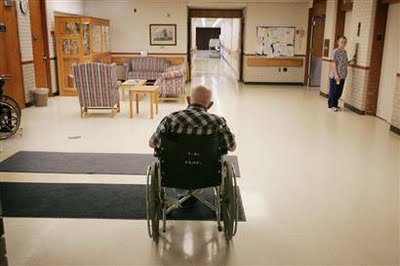 When we place a loved one in a nursing home or assisted living facility, we are placing enormous trust in that facility’s staff. We trust them to provide not just basic care, but dignity, safety, and attention.
So when something feels wrong—unexplained injuries, sudden decline, dehydration, infections, or emotional withdrawal—it is natural to feel alarmed. Many families ask the same question:
Is this negligence or neglect?
Understanding the difference is not just semantics. It can shape how a case is investigated, proven, and ultimately resolved.
What Is Nursing Home Negligence?
Nursing home negligence occurs when a caregiver or medical provider fails to meet the standard of care that a reasonably careful provider would use under similar circumstances.
In California, this is generally treated as a “professional negligence or medical malpractice claim”, depending on the facts.
At its core, negligence is about “doing something wrong or failing to act when there is a clear duty to act.”
Common Examples of Negligence
- Medication errors – Giving the wrong medication, incorrect dosage, or failing to administer medication at all
- Failure to respond to medical changes – Ignoring symptoms like shortness of breath, confusion, or signs of stroke
- Improper medical care – Failing to follow physician orders or care plans
- Unsafe transfers or handling – Dropping a resident or using improper techniques during movement
- Delayed emergency response – Not calling 911 or notifying a physician when a resident’s condition deteriorates
Legal Framework
Negligence claims in California require proof of:
- A duty of care
- A breach of that duty
- Causation
- Damages
If the nursing facility is a licensed skilled nursing facility, these cases are often subject to the Medical Injury Compensation Reform Act (MICRA), which can limit non economic damages.
What Is Nursing Home Neglect?
Nursing home neglect is different. It is usually not about a single mistake, but is about a “failure to provide basic care and attention over time.”
Neglect is often tied to **understaffing, poor training, or systemic failures** within a facility.
In California, serious neglect may rise to the level of **elder abuse under the Elder Abuse and Dependent Adult Civil Protection Act (Welf. & Inst. Code § 15600 et seq.)**, which carries enhanced remedies.
Common Examples of Neglect
- Bedsores (pressure ulcers) – Caused by failure to reposition residents or provide skin care
- Dehydration or malnutrition – Not assisting residents with eating or drinking
- Fall prevention failures – Ignoring known fall risks and failing to implement safety measures
- Ignoring call lights – Residents left waiting for long periods without assistance
- Untreated infections or wounds – Allowing minor issues to escalate into life threatening conditions
Legal Framework
Neglect cases may be brought under:
- Elder Abuse Act (Welf. & Inst. Code § 15657)**
- Health & Safety Code § 1430(b)** (violations of resident rights)
- Title 22 regulations governing skilled nursing facilities and assisted living facilities
Unlike standard negligence, elder abuse claims can allow for:
- Attorney’s fees
- Enhanced damages
- In some cases, punitive damages
But only if you can prove “recklessness, oppression, fraud, or malice”, not just carelessness.
Why the Distinction between Negligence and Neglect Matters
Many cases involve both negligence and neglect, but the distinction still matters in several key ways.
1. Different Legal Standards
Negligence focuses on whether care fell below the standard.
Neglect and elder abuse focus on whether the failure was systemic, reckless, or driven by understaffing or cost cutting.
2. Different Evidence
Negligence cases often rely heavily on medical records and expert testimony
Neglect cases often involve:
- Staffing records
- Internal policies
- State citations
- Patterns of conduct
3. Different Value and Remedies
This is critical.
A routine negligence case may be limited under MICRA.
But a properly proven elder abuse case can significantly increase recovery because it allows:
- Attorney’s fees
- Broader damages
- Potentially punitive damages
For example:
- A missed medication dose may be negligence
- A facility chronically understaffed, leading to dehydration, bedsores, and death may support an elder abuse claim
What Should You Do If You Suspect Abuse or Neglect?
If something feels wrong, trust your instincts.
1. Document Everything – Take photos of injuries, living conditions, and your loved one’s condition. Keep a timeline.
2. Request Records Immediately – Under California law, facilities must provide medical records promptly upon proper request.
3. Report the Facility – You can file complaints with: California Department of Public Health (for nursing homes) or California Department of Social Services (for assisted living facilities)
4. Speak with an Experienced Attorney
Final Thoughts
The difference between negligence and neglect is not just academic. It often determines:
- How a case is proven
- What damages are available
- And whether a facility is truly held accountable
If your loved one suffered due to poor care, you deserve answers.
The Nursing Home Law Group has spent decades representing families across California, in counties including San Diego, San Francisco, Orange, San Bernardino, and Los Angeles, in cases involving nursing home negligence, neglect, and elder abuse. We understand how these cases are built, and how facilities try to defend them.
If you have concerns, do not wait. Early action can make all the difference in protecting your loved one’s rights and preserving a strong case.



