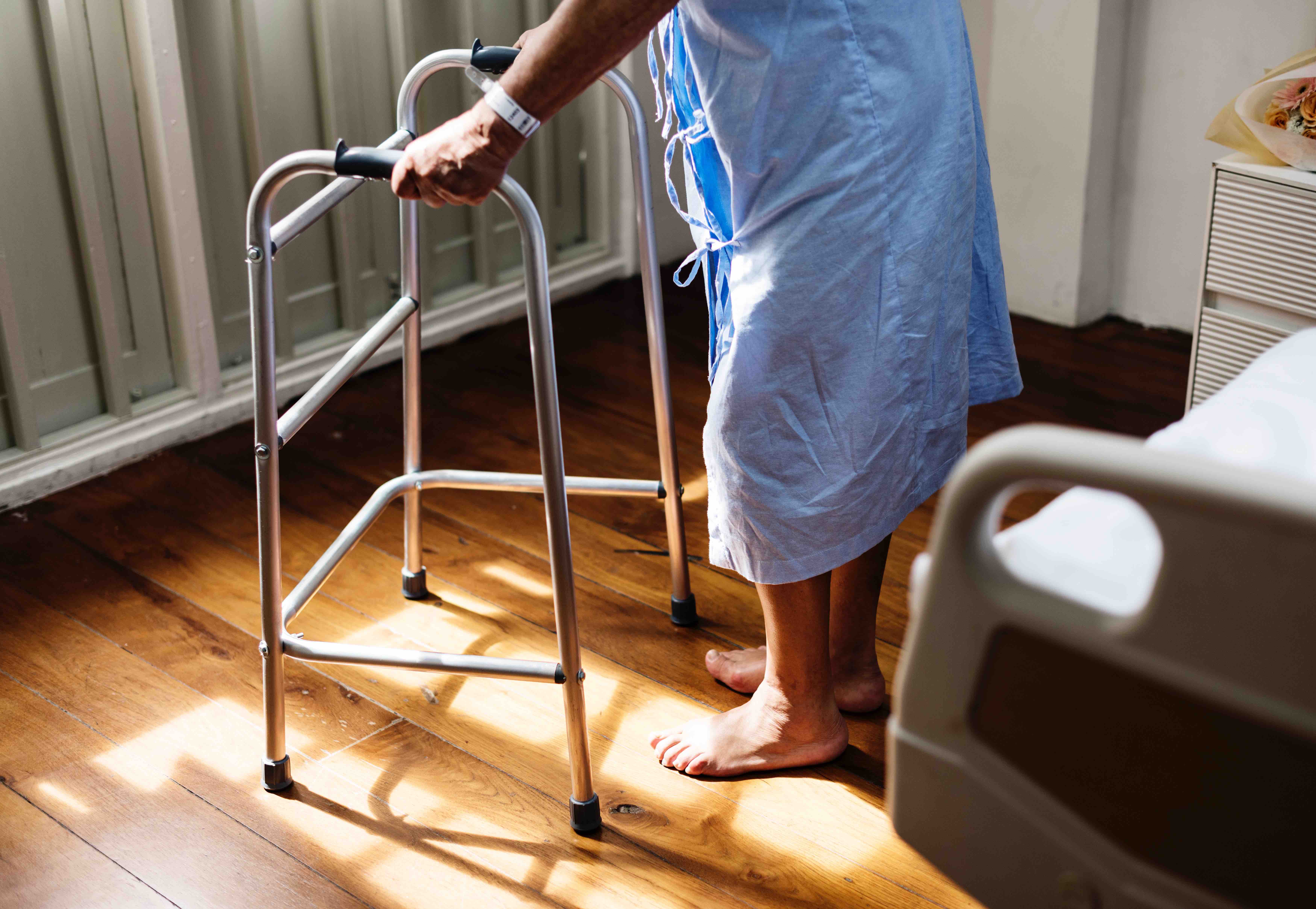
The good news is that you can take practical steps to find a qualified San Diego County elder abuse lawyer who understands nursing home abuse and neglect cases and who has the resources to prove what happened.
Just as importantly, California elder abuse and neglect law can apply not only to skilled nursing facilities, but also to assisted living settings such as Residential Care Facilities for the Elderly. If your loved one was harmed in assisted living, the same careful attorney selection process matters.
Why choosing the right lawyer matters in elder abuse cases
Elder abuse and neglect cases are different from a typical personal injury claim. They often require:
- Medical record mastery and timelines
- Facility staffing and policy analysis
- Knowledge of California elder abuse law and regulations
- Working with expert clinicians and nurses
Experience handling cases involving dementia, fall risk, pressure injuries, infections, and medication systems
The stakes are high. Globally, about 1 in 6 adults age 60 and older experience abuse in community settings, and rates in institutions are especially concerning, with the World Health Organization reporting that 2 in 3 staff in institutional settings have admitted to committing some form of abuse in the past year.
In other words, this is not rare, and it is not something families should have to accept.
Start with clarity: what “abuse” and “neglect” can look like
Families often picture elder abuse as hitting or yelling. In reality, many cases are about neglect, meaning a failure to provide basic care, supervision, or medical attention. The CDC describes older person abuse as an intentional act or failure to act that causes, or creates a risk of, harm to an older adult, typically by a caregiver or someone in a position of trust.
In nursing homes and assisted living, red flags often include:
- Unexplained falls or repeated falls
- Pressure injuries (bed sores) that worsen or become infected
- Dehydration, malnutrition, or rapid weight loss
- Medication errors, over sedation, or missed doses
- Poor hygiene, soiled clothing, or unchanged briefs
- Sudden changes in mood, fearfulness, or withdrawal
- Unexplained bruising, fractures, or restraints
- Infections that are not addressed promptly
A common family story goes like this (a composite example). A daughter visits on a Sunday and notices her father is unusually sleepy, has a new bruise on his arm, and his water cup is across the room out of reach. Staff says he is “fine.” Two days later he is in the hospital with dehydration and a preventable injury. The family is left asking: Was anyone checking on him, repositioning him, monitoring fluids, or following a care plan?
A qualified lawyer knows how to answer those questions with evidence, not guesses.
Step 1: Look for a lawyer who focuses on nursing home and assisted living neglect
In San Diego County, you will find many firms that list “elder abuse” as one of 20 practice areas. For a serious nursing home neglect case, you usually want a team that does this work routinely.
Here is what “focus” looks like in practice:
- They can explain the difference between negligence and elder abuse claims in California
- They know how to obtain facility records beyond the hospital chart
- They have relationships with the right medical experts
- They understand how staffing levels, training, and supervision failures show up in records
Specialization matters because facilities and their insurers defend these cases aggressively. You want a law firm that is comfortable going deep.
Step 2: Verify the firm knows how to investigate facilities, not just injuries
A strong nursing home abuse lawyer does not only talk about the injury. They talk about how to prove the facility failed.
Ask whether the lawyer will:
- Secure complete medical records, including nursing notes, medication administration records, and care plans
- Request incident reports and internal investigations (when available)
- Analyze staffing, training, and supervision practices
- Work with clinical experts who can identify breaches in standards of care
- Build a timeline that connects the neglect to the harm
You can also do some public homework yourself. California’s Cal Health Find tool allows consumers to search facilities and view provider details, ownership, licensing status, and performance history such as complaints, enforcement actions, and deficiencies, and it also allows online complaint filing.
This is not a substitute for a legal investigation, but it helps you ask smarter questions.
Step 3: Choose a firm that understands local reporting options in San Diego County
A good lawyer will not discourage reporting. They will help you understand it.
In San Diego County, the Long Term Care Ombudsman Program can help with concerns about quality of care and resident rights, including physical abuse and neglect, and the county provides a direct contact line.
California also has a statewide Ombudsman CRISISline, and facilities are required to post Ombudsman contact information and the CRISISline number – 1-800-231-4024 – in a visible location.
If a law firm cannot tell you what the Ombudsman does, or how complaints and investigations can intersect with a civil case, that is a warning sign.
Step 4: Know what to look for in a law firm (and what to avoid)
Use this checklist when you speak with any San Diego nursing home abuse lawyer.
What to look for:
- A clear focus on nursing home and assisted living neglect or abuse cases
- Willingness to explain process, timing, and realistic outcomes
- Comfort discussing medical issues in plain language
- A plan for preserving evidence and building a timeline
- Trial readiness, even if most cases resolve before trial
- Transparent fee structure, usually contingency in this area
- Responsive communication, with a defined point of contact
What to avoid:
Promises of a specific dollar amount before records are reviewed
- A heavy sales approach with little discussion of evidence
- Vague answers about experience in nursing home cases
- No mention of experts, timelines, or facility level proof
- Pressure to sign immediately without understanding your goals
Step 5: Consider a firm built specifically for these cases: Nursing Home Law Group
If you are looking for a team that focuses exclusively on nursing home and assisted living neglect cases, Nursing Home Law Group is one option to consider in San Diego County.
Nursing Home Law Group offers free consultations and highlights over 20 years of experience, and their work centers on elder abuse and neglect matters involving nursing homes and assisted living facilities. Their site also describes extensive experience using California’s Elder Abuse and Dependent Adult Civil Protection Act on behalf of elders and dependent adults in care settings.
Families often want to know what it feels like to work with a firm. Nursing Home Law Group publishes client reviews describing knowledge of elder abuse law and compassion during difficult wrongful death and neglect claims, including reviews from San Diego County families.
Practical next steps if you suspect neglect or abuse
- Document what you observe. Dates, photos (if appropriate), names, and changes in condition.
- Request care plan updates and ask direct questions about supervision, falls, skin checks, hydration, and medications.
- Use public tools like Cal Health Find to understand facility history and ownership.
- Contact the Long Term Care Ombudsman if you need help addressing resident rights and care concerns.
- Speak with a qualified San Diego County nursing home abuse lawyer who focuses on these cases and can evaluate records quickly.
Finding the right lawyer is not about the fanciest website or the biggest ad budget. It is about choosing a team that understands how neglect happens in nursing homes and assisted living, and how to prove it with medical and facility evidence.